We’ve all stood in front of the mirror, wondering why our strands refuse to cooperate—whether they’re stubbornly short, brittle, or thinning. What if you could turn that frustration into confidence? With the right approach, you can nurture your locks into their healthiest version yet, even within a few seasons.
Your strands naturally grow about half an inch each month, but factors like diet, stress, and styling habits often slow progress. This guide focuses on science-backed methods to optimize that process, blending nutrition, scalp care, and protective routines. You’ll learn how to support follicles during their active phase (anagen) and minimize damage during the resting phase (telogen).
From essential oils that revive your scalp to nutrients that fuel follicle strength, every tip here is practical and results-driven. We’ll also tackle common setbacks—like heat damage from styling tools—and how to avoid them. Let’s break it down step by step.
Key Takeaways
- Your strands go through growth, transition, and rest phases—each requiring specific care.
- Nutrients like biotin and iron directly impact follicle health and growth speed.
- Scalp treatments with natural oils can boost circulation and reduce breakage.
- Limiting heat styling preserves strength and prevents split ends.
- Consistency over weeks is key to seeing visible changes.
Understanding Your Hair Growth Cycle
Your strands follow a natural rhythm, much like seasons changing—except this cycle determines their length and vitality. Knowing how it works helps you pick the right products and avoid habits that sabotage progress.
The Phases: Anagen, Catagen, and Telogen
Every strand on your scalp goes through three stages. The anagen phase is the active growth period, lasting 2-7 years. Cells divide rapidly at the root, pushing strands upward. Longer anagen periods mean more length.
Next comes the catagen phase, a 2-3 week transition. Growth stops, and follicles shrink. Finally, the telogen phase lasts 3-4 months. Strands rest before shedding naturally—about 100-150 daily. New growth then begins.
| Phase | Duration | Key Activity |
|---|---|---|
| Anagen | 2-7 years | Active growth |
| Catagen | 2-3 weeks | Transition |
| Telogen | 3-4 months | Resting & shedding |
How the Cycle Impacts Overall Hair Length and Health
If stress, poor diet, or harsh styling disrupts the cycle, more follicles enter telogen early. This leads to thinning. A healthy scalp supports steady growth—gentle massages and oils like rosemary boost circulation.
Notice more strands in your brush? It’s normal if under 150 daily. But consistent loss signals imbalance. Later sections will show how nutrients and treatments reset your cycle for stronger results.
The Science Behind 3 Month Hair Growth
Ever wondered why some people’s locks seem to defy gravity while others struggle? The answer lies beneath the surface—literally. Your strands emerge from tiny factories called follicles, each packed with matrix cells that multiply rapidly during active phases. These cells build keratin, the protein that forms your strands’ structure.
How Follicles Fuel Growth
Picture a follicle as a miniature workshop. At its base, matrix cells divide nonstop, pushing older cells upward. These harden into keratin, creating the strand you see. Blood vessels supply oxygen and nutrients, fueling this process. When circulation falters—due to stress or poor diet—growth slows.
Genetics vs. Daily Habits
Your DNA sets the blueprint. For example, some inherit shorter anagen phases, limiting maximum length. But external factors play a role too. A 2022 study found that scalp massages extended active growth periods by 20% in participants. Similarly, heat styling damages follicles, shortening their productivity.
“While genes determine your baseline, consistent care can shift outcomes. Think of it as nurturing a garden—optimal conditions yield better harvests.”
Key influences include:
- Protein intake: Keratin relies on amino acids from foods like eggs and lentils.
- Circulation boosters: Rosemary oil increases blood flow to follicles.
- Stress management: Cortisol spikes can trigger early resting phases.
Even small tweaks—like swapping tight ponytails for loose braids—reduce strain on delicate roots. Your daily choices either support or sabotage your biology’s natural rhythm.
Essential Nutrients and Supplements for Healthy Hair
Ever considered how your plate affects your ponytail? What you eat fuels the tiny factories in your scalp that build every strand. A balanced diet rich in specific vitamins and minerals can extend your follicles’ active growth period while strengthening strands from root to tip.
Key Vitamins and Minerals That Promote Growth
Biotin, zinc, and iron form the foundation of follicle health. A 2021 study found that low iron levels correlate with reduced strand thickness, while biotin deficiencies lead to brittleness. Vitamin D activates dormant follicles—research shows 40% of adults with thinning locks had suboptimal levels.
- Biotin: Boosts keratin infrastructure (found in eggs and almonds)
- Zinc: Repairs follicle tissues (oysters, pumpkin seeds)
- Vitamin D: Stimulates new growth (sunlight, fortified cereals)
Protein, Keratin, and Omega-3s Explained
Your strands are 95% keratin—a protein built from amino acids. Without adequate protein intake, follicles prioritize vital organs over non-essential growth. Studies suggest consuming 1.2 grams of protein per kilogram of body weight daily maintains optimal production.
Omega-3 fatty acids reduce scalp inflammation, creating better conditions for growth. A 2023 trial showed participants who took fish oil supplements saw 30% less shedding after 12 weeks. Pair these with collagen peptides to reinforce strand elasticity.
“Supplements fill gaps but shouldn’t replace whole foods. Think of them as insurance for days when salads lose to fast food.”
Try adding walnuts to oatmeal for omega-3s or blend a spinach smoothie for iron. Consistency matters—your follicles need steady nutrient streams to stay productive.
Topical Treatments and Hair Care Products
Your bathroom shelf holds secrets to unlocking stronger, fuller strands. While internal nourishment matters, what you apply directly can accelerate results. Let’s explore science-backed formulas that revitalize from root to tip.
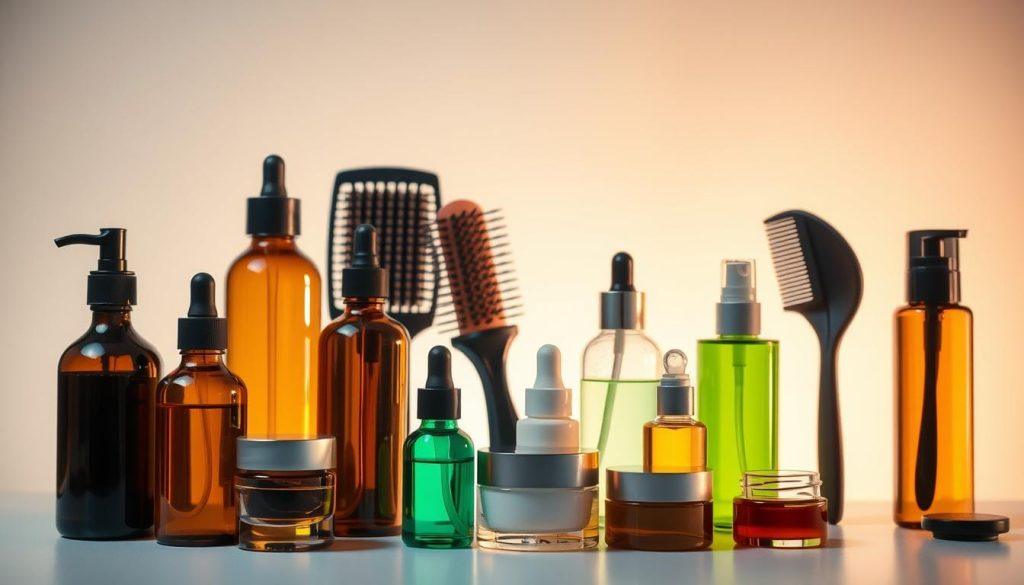
Essential Oils and Carrier Oils: Nature’s Power Duo
Rosemary and peppermint oils shine for boosting circulation. A 2023 study found rosemary oil increased strand thickness by 22% after six months when mixed with coconut oil. Always dilute potent oils—3 drops per tablespoon of jojoba or argan oil works best.
Massage blends into your scalp twice weekly. Focus on areas with thinning. This stimulates follicles while reducing flakiness. For damaged ends, try almond oil as a pre-wash mask.
Targeted Solutions: From Caffeine to Clinical Formulas
Caffeine shampoos wake up sluggish roots. They block DHT, a hormone linked to shedding. Look for products with 0.2% caffeine concentration for optimal effect. Protein treatments repair splits—hydrolyzed keratin fills gaps in the strand’s structure.
Minoxidil remains a gold standard for regrowth. Applied daily, it extends the active growth phase. Newer options like melatonin ointments show promise too, reducing fallout by 30% in trials.
| Treatment | Key Benefit | Frequency |
|---|---|---|
| Rosemary Oil Blend | Boosts blood flow | 2x/week |
| Minoxidil 5% | Extends growth phase | Daily |
| Keratin Mask | Repairs damage | 1x/week |
| Caffeine Shampoo | Blocks DHT | 3x/week |
Check labels for sulfates and parabens—these strip natural oils. Consistency matters: most products need 8-12 weeks to show changes. Pair treatments with gentle brushing to avoid breakage.
Practical Styling and Hair Care Habits
Your styling routine could be the silent saboteur of your hair goals. While trendy tools promise instant transformations, improper use leads to weakened strands and split ends. Smart habits preserve strength while letting you express personal style.
Choosing the Right Styling Tools and Products
Ceramic or tourmaline flat irons distribute heat evenly, reducing hot spots that fry strands. Look for adjustable temperature settings—fine textures need ≤ 300°F, while coarse types handle 380°F. Ionic dryers seal cuticles faster, cutting styling time by 25%.
Always apply a heat protectant spray first. Celebrity stylist Lina Peters advises:
“Treat protectants like sunscreen—apply thoroughly, and reheat tools only after full drying.”
| Tool | Safe Temperature | Key Benefit |
|---|---|---|
| Flat Iron | 300-380°F | Even heat distribution |
| Blow Dryer | Medium heat | Faster drying |
| Boar Bristle Brush | N/A | Reduces static |
Dos and Don’ts of Heat and Chemical Treatments
Do: Space out coloring sessions by 8-10 weeks. Use demi-permanent dyes—they’re gentler than permanent formulas. Always strand-test bleach mixtures first.
Don’t: Combine multiple chemical processes in one week. Perming right after lightening doubles breakage risks. Never use hot tools on damp strands—steam literally cooks them.
Schedule trims every 10-12 weeks to remove split ends before they travel upward. Wide-tooth combs detangle wet strands without stretching. Remember: Your styling choices today determine tomorrow’s texture.
Lifestyle Changes to Boost Hair Growth
Your daily habits might be the missing link between frustration and flourishing strands. Small, intentional shifts in nutrition and self-care routines can transform your scalp’s environment—creating ideal conditions for vitality.
Fuel Your Follicles From Within
What you eat directly impacts follicle productivity. A 2023 study revealed that participants who increased protein intake by 15% saw 18% less shedding within eight weeks. Focus on these nutrient powerhouses:
| Food | Key Benefit | Frequency |
|---|---|---|
| Wild salmon | Omega-3s reduce inflammation | 2x/week |
| Spinach | Iron supports oxygen delivery | Daily |
| Avocados | Vitamin E protects strands | 3x/week |
Hydration matters too. Dehydration weakens strands, making them prone to snapping. Aim for half your body weight in ounces daily—add lemon for vitamin C absorption.
Calm Mind, Healthier Scalp
Chronic stress floods your system with cortisol, pushing follicles into resting phases prematurely. Try these science-backed techniques:
- Scalp massage: Five minutes nightly increases blood flow by 40%
- Yoga: Inversions like downward dog boost circulation
- Sleep hygiene: Seven hours nightly regulates growth hormones
As dermatologist Dr. Alicia Hart notes:
“Managing stress isn’t just mental—it’s a physical reset button for your scalp. Pair mindfulness with targeted nutrition for compounding benefits.”
Walk daily to lower cortisol while improving nutrient delivery. Swap sugary snacks for walnuts—their zinc content strengthens roots. Remember: Consistency turns small changes into lasting results.
Factors That Cause Hair Loss and How to Prevent Them
Nearly 40% of adults notice increased shedding by age 35—but not all causes are inevitable. Understanding what triggers fallout helps you protect your strands before damage becomes visible.
Identifying External and Internal Causes of Hair Loss
External factors like chemical treatments and heat tools weaken strands over time. A 2022 study found weekly bleaching increases breakage risk by 60%. Tight hairstyles and extensions strain roots, leading to traction alopecia. Even friction from cotton pillowcases can erode cuticles.
Internal triggers include hormonal shifts and nutrient gaps. Low iron levels account for 72% of female shedding cases, while thyroid imbalances disrupt growth cycles. Chronic stress floods your system with cortisol, pushing follicles into resting phases prematurely.
Practical Preventative Measures for a Healthy Scalp
Swap harsh dyes for ammonia-free formulas and limit heat styling to twice weekly. Use a clarifying shampoo monthly to remove product buildup that chokes follicles. Dermatologist Dr. Elena Torres advises:
“Sudden shedding or patchy loss warrants a blood test. Deficiencies in zinc or vitamin D often hide behind unexplained thinning.”
Strengthen your defense with these steps:
- Massage scalp with diluted tea tree oil to unclog pores
- Eat iron-rich foods like lentils and spinach daily
- Choose silk scrunchies over elastic bands
Track changes—if shedding exceeds 150 strands daily for over two weeks, consult a specialist. Early action preserves density and reverses preventable damage.
Actionable Tips and Long-Term Hair Maintenance
Transform your daily routine into a growth catalyst with these sustainable habits. Lasting results come from consistent, mindful practices that protect strands while nurturing roots. Let’s simplify your approach with strategies that fit seamlessly into your lifestyle.

Daily Habits for Lasting Results
Start with gentle brushing using a boar bristle brush—it distributes natural oils from root to tip. Always detangle from ends upward to minimize breakage. When washing, focus shampoo on the scalp and conditioner mid-length to ends. Cold water rinses seal cuticles, locking in moisture and shine.
Protect strands during styling by applying a heat protectant spray before any tools. Set flat irons to 300°F max for fine textures. For updos, choose silk scrunchies over elastic bands—they reduce tension on delicate roots. As stylist Mara Chen advises:
“Treat your strands like antique lace—handle with care, and they’ll maintain their beauty for years.”
Schedule monthly trims to eliminate split ends before they travel upward. Deep-condition weekly with avocado masks or store-bought keratin treatments. For scalp health, mix 2 drops of tea tree oil with jojoba oil for a clarifying massage every Sunday.
Essential Maintenance Timeline
| Task | Frequency | Benefit |
|---|---|---|
| Trim ends | Every 10 weeks | Prevents splits |
| Clarifying wash | Monthly | Removes buildup |
| Protein treatment | Biweekly | Strengthens strands |
Patience is key—visible improvements often take 8-12 weeks. Track progress with monthly photos under consistent lighting. Celebrate small wins, like fewer strands in your brush or enhanced shine. Your dedication today builds tomorrow’s resilience.
Conclusion
Transforming your strands starts with understanding their needs. By combining science-backed methods—like nourishing follicles with key nutrients and optimizing scalp health—you create an environment where vitality thrives. Studies show rosemary oil boosts thickness by 22%, while biotin-rich diets strengthen keratin structure.
Consistent effort over several weeks yields visible changes. Protect strands with heat-free styling tools and prioritize protein-rich meals. Track progress through photos or journal entries to spot improvements in texture and resilience.
Revisit sections on essential oils or stress management whenever challenges arise. Small adjustments, like weekly scalp massages or silk pillowcases, compound over time. Remember: every choice either supports or strains your goals.
Ready to begin? Start with one change this week—swap harsh products for gentler formulas or add omega-3 snacks to your routine. With patience and the right strategies, achieving stronger, fuller strands becomes an empowering journey rather than a distant dream.
