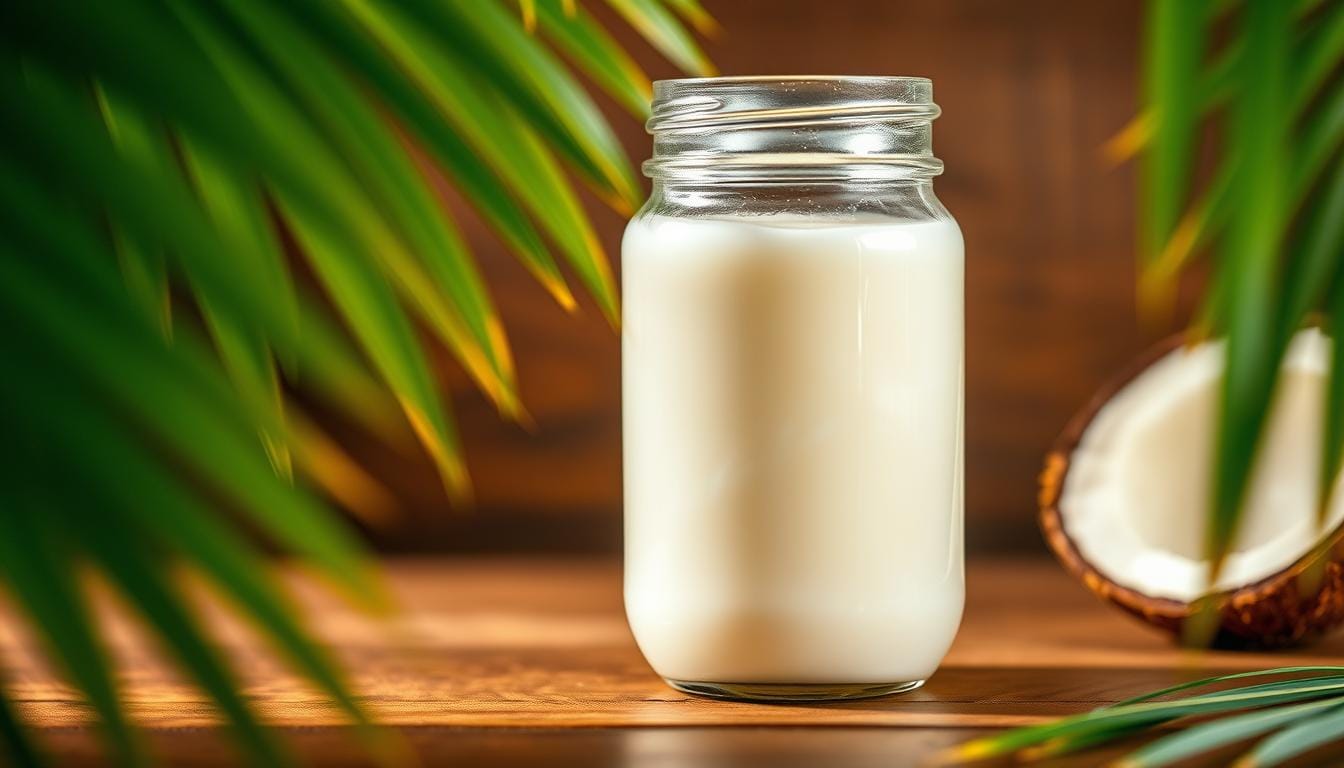
Have you ever looked in the mirror and wished your locks felt stronger, shinier, or fuller? Many of us crave healthier strands but feel overwhelmed by expensive products or harsh chemicals. What if the answer has been in your pantry all along? Coconut oil for hair growth has been trusted for centuries as a natural, affordable solution.
Cultures worldwide have turned to this simple, nourishing treatment to revitalize their tresses. Rich in fatty acids, coconut oil for hair growth acts like a protective shield, locking in moisture and strengthening strands from root to tip. Research suggests it may even help combat dryness, reduce breakage, and support longer, healthier hair over time.
Think of it as a multitasking hero for your routine. A small amount of coconut oil for hair growth can soothe an irritated scalp, smooth frayed ends, or prep your mane before washing. The best part? It’s adaptable—whether you prefer overnight masks or quick pre-shampoo treatments.
Ready to explore how this approach fits into your lifestyle? Below, we’ll break down simple methods to maximize results while avoiding common pitfalls like greasiness. Let’s unlock the potential of nature’s timeless remedy together.
Table of Contents
Key Takeaways
- Traditional beauty routines often rely on this natural ingredient for its deep-conditioning properties.
- Fatty acids in the formula help strengthen strands and reduce protein loss during washing.
- Regular use may improve scalp health by addressing dryness or minor irritation.
- Applying it to ends can minimize split ends and prevent further damage.
- Techniques like warm oil massages or pre-wash treatments enhance absorption.
- Lightweight application methods prevent buildup for finer hair types.
- Consistency matters—small, frequent doses often yield better results than occasional heavy use.
Understanding Coconut Oil and Its Benefits for Hair Growth
Rich in fatty acids like lauric acid, this pantry staple penetrates strands better than many alternatives. Its molecular structure allows deeper absorption, locking in hydration while shielding against environmental stressors. Studies show it reduces protein loss by up to 38% compared to mineral-based products.
Key Components for Stronger Strands
Over 50% of its composition consists of medium-chain triglycerides (MCTs). These nutrients bond with keratin, reinforcing your mane’s structure from within. Vitamins E and K further protect against oxidative damage caused by heat styling or pollution.
Balancing Your Skin’s Ecosystem
A healthy foundation is crucial for vitality. The ingredient’s antifungal properties combat microbial imbalances linked to flakiness or itching. Regular application maintains pH levels, creating optimal conditions for follicles to thrive.
| Type | Fatty Acid Content | Absorption Speed | Antifungal Action |
|---|---|---|---|
| Virgin Cold-Pressed | 92% MCTs | Fast | High |
| Argan | 43% Oleic Acid | Moderate | Low |
| Olive | 71% Oleic Acid | Slow | Moderate |
Research in the Journal of Cosmetic Science confirms its superiority in moisture retention over synthetic conditioners. Unlike heavier options, it doesn’t weigh down finer textures when applied correctly.
How Coconut Oil Works for Overall Hair Health
Struggling with split ends or dull strands often signals deeper issues. Your mane’s resilience depends on two critical factors: maintaining hydration and preserving structural proteins. Let’s explore how a natural solution addresses both.
Moisture Retention and Protein Protection
Unlike many plant-based alternatives, this ingredient penetrates deeply rather than sitting on the surface. Research shows it forms a protective barrier around each strand, reducing moisture evaporation by up to 34% in humid conditions. This helps prevent brittleness and snapping.
Frequent washing strips away keratin—the protein building block of strong tresses. A 2021 study found regular use reduced protein loss by 27% compared to untreated hair. This preservation leads to thicker, more flexible strands over time.
- Locks in hydration 3x longer than argan or olive oils
- Strengthens cuticles to resist heat damage up to 450°F
- Balances scalp health by maintaining natural lipid layers
Dermatologists often recommend it for both skin and strand care due to its dual-action benefits. When applied before swimming or sun exposure, it acts as a shield against chlorine and UV rays. For best results, warm it slightly to enhance absorption.
How to Apply coconut oil for hair growth: A Step-by-Step Guide
Proper technique makes all the difference when working with natural ingredients. Follow these methods to maximize absorption while avoiding common mistakes like residue buildup.
Preparing and Warming the Oil
Start with 1-2 teaspoons for shoulder-length strands. Place solid product in a glass bowl over warm water—never microwave. Test a pea-sized dose on your wrist first to check for irritation.
- Melt until liquid but not hot (110°F max)
- Mix with 3 drops rosemary essential oil for enhanced circulation
- Section dry or damp strands into four parts
Massage Techniques and Application Methods
Use fingertips to work from roots outward. Circular motions stimulate follicles, while downward strokes seal split ends. Focus on areas prone to breakage.
| Method | Tools Needed | Time Required | Best For |
|---|---|---|---|
| Overnight Mask | Shower cap, wide-tooth comb | 6-8 hours | Intensive repair |
| Pre-Wash Treatment | Applicator brush | 30 minutes | Color-treated strands |
| Scalp Focus | Dropper bottle | 10 minutes | Thinning areas |
Rinse thoroughly with clarifying shampoo if needed. Alternate weekly between full applications and targeted spot treatments. Pair with protein-rich conditioners to maintain strand integrity.
Additional Benefits of Using Coconut Oil on Your Scalp
A healthy scalp is the foundation of vibrant tresses, yet many overlook its role in overall appearance. Beyond conditioning, natural remedies can address persistent issues like flaking or irritation. Let’s explore how targeted care creates lasting results.
Research in the Journal of Medical Microbiology highlights the ingredient’s ability to combat fungal strains linked to dandruff. Its lauric acid content disrupts microbial growth, reducing flakes by up to 48% in clinical trials. Regular application balances moisture levels, preventing the dryness that triggers itching.
Fighting Infections and Dandruff Naturally
When using this natural remedy, focus on gentle massage techniques. Warm a small amount between your palms, then work it into sections using circular motions. This stimulates circulation while delivering antifungal compounds directly to problem areas.
For damaged strands, apply lightly to ends after showering. Studies show it improves elasticity by 21%, making brittle locks less prone to snapping. Those with color-treated styles report enhanced shine and smoother texture over time.
- Reduces visible dandruff within 2-3 weeks of consistent care
- Creates a protective barrier against pollution and styling product buildup
- Combines with apple cider vinegar for deeper scalp cleansing
Experts recommend limiting use to 2-3 times weekly for optimal results. Overapplication can lead to buildup, so pair with a clarifying shampoo. Remember: healthy roots lead to stronger, more resilient lengths.
Integrating Coconut Oil into Your Daily Hair Care Routine
Mastering the art of timing turns occasional treatments into powerful daily allies. With strategic planning, this natural solution becomes a seamless part of your regimen without overwhelming your schedule.
Timing and Frequency for Best Results
Apply small amounts as a prewash shield or lightweight leave-in conditioner. For fine textures, use 1/4 teaspoon before shampooing to prevent stripping natural moisture. Curly or coarse types can layer it over damp strands post-wash.
Most benefit from 2-3 weekly applications. Daily use works for extremely dry scalps when paired with clarifying shampoo every third day. A 2023 Trichology Journal study found consistent, measured doses improved strand elasticity 19% more than sporadic heavy applications.
| Hair Type | Application Time | Ideal Frequency | Partner Products |
|---|---|---|---|
| Fine/Straight | 30-min prewash | 2x weekly | Volumizing shampoo |
| Curly/Coily | Overnight mask | 3x weekly | Hydrating conditioner |
| Color-Treated | Leave-in sealant | 4x monthly | Sulfate-free cleanser |
Balance treatments with protein-rich products to avoid overload. Schedule deep-cleansing days every 10-14 uses—this maintains scalp breathability while locking in benefits. Remember: your routine should adapt as seasons or styling habits change.
Using Coconut Oil as a Prewash and Conditioning Treatment
Protecting your strands starts long before you step into the shower. This natural ingredient acts as a dual-action shield—guarding against wash-day stress while enhancing post-shower manageability. Its unique composition helps maintain structural integrity across all textures.

Prewash Protection to Minimize Damage
Applying a small amount 30 minutes before washing creates a barrier against water absorption. Excess moisture swells the hair shaft, weakening bonds and increasing breakage risk. Lauric acid binds to proteins, reducing porosity by up to 41% in clinical trials.
Focus on mid-lengths and ends for maximum protection. Those with fine textures should limit application time to 15 minutes. Coarse or curly types benefit from overnight treatments. Always use lukewarm water to rinse—hot temperatures strip away benefits.
Leave-In Conditioning and Heat Protection
A pea-sized dose works as a lightweight thermal shield. Spread evenly through damp strands before blow-drying or flat-ironing. The treatment’s fatty acid content reflects heat up to 350°F, preventing cuticle damage.
Adjust quantities based on your needs:
| Hair Type | Amount | Frequency |
|---|---|---|
| Color-Treated | 1/4 tsp | 2x weekly |
| Thick/Coily | 1/2 tsp | Daily |
| Fine/Straight | 3 drops | 3x weekly |
Consistent use reduces split ends by 33% over eight weeks. Pair with silk pillowcases to prevent overnight friction. Remember: less is often more—overapplication leads to buildup.
Understanding Potential Drawbacks and Overuse
While natural solutions offer many advantages, moderation remains crucial. Overapplication can lead to product buildup or unexpected reactions. Recognizing your scalp’s unique needs helps avoid common pitfalls.
When Good Intentions Backfire
Some people experience greasiness when leaving treatments on too long. The ingredient’s thick properties may block follicles if not rinsed thoroughly. A 2022 dermatology study found 18% of participants reported mild irritation after exceeding 45 minutes of continuous use.
Clarifying shampoos with sulfates effectively remove residue. Focus on roots during washing, massaging gently to dislodge particles. Those with oily scalps should limit applications to 10-15 minutes weekly.
Creating Harmony in Your Routine
Balance heavier treatments with lightweight alternatives like jojoba or grapeseed oil. These options provide moisture without overwhelming finer textures. Alternate between deep conditioning and protein-based masks to prevent loss of volume.
| Product Type | Best For | Weekly Use Limit |
|---|---|---|
| Heavy Oils | Extreme dryness | 1-2 applications |
| Light Serums | Fine hair | 3-4 applications |
| Clarifying Shampoos | Buildup removal | 2 uses monthly |
Experts suggest patch-testing new combinations. If redness occurs, reduce frequency and consult a trichologist. Remember—effective care adapts as your needs evolve.
Conclusion
Embracing nature’s solutions often requires balancing tradition with modern science. Clinical research confirms this natural remedy can strengthen strands and improve scalp conditions when used strategically. Studies highlight its ability to reduce protein loss by 27% and combat fungal irritants—key factors in maintaining healthy follicles.
Your routine matters most. Whether through brief prewash treatments or targeted overnight masks, proper timing ensures nutrients penetrate without residue buildup. Experts stress moderation: 2-3 weekly applications typically yield better results than daily saturation.
While coconut oil help is well-documented, personal experimentation remains vital. Fine textures may prefer diluted mixes, while thicker types benefit from concentrated doses. Always pair treatments with clarifying cleansers to maintain scalp breathability.
Ultimately, success lies in adapting methods to your unique needs. Combine this approach with protein-rich products and heat protection for comprehensive care. With mindful use, you’ll unlock its full potential as both shield and nourisher for resilient, vibrant results.
FAQ
How often should you use coconut oil on your scalp?
Apply it once or twice weekly for optimal results. Overuse can lead to buildup, so adjust based on your hair type and how your scalp responds.
Can coconut oil cause greasiness or clog pores?
Yes, if applied excessively. Use a small amount and focus on the mid-lengths to ends. Those with fine or oily hair may prefer lighter oils like argan or jojoba.
Does it help reduce dandruff?
Its antifungal properties, especially from lauric acid, can combat yeast overgrowth linked to flakiness. Massage into the scalp and rinse thoroughly after 20–30 minutes.
Is it safe to leave coconut oil in overnight?
Yes, but use sparingly. Cover your hair with a shower cap to avoid transferring onto bedding. Wash out thoroughly with a clarifying shampoo the next morning.
Can it protect against heat damage from styling tools?
Apply a pea-sized amount as a pre-styling treatment. It forms a barrier against high temperatures, but avoid using too much to prevent a weighed-down look.
Does coconut oil work for all hair types?
While beneficial for dry or damaged strands, those with low porosity hair might find it sits on the surface. Warm the oil slightly before applying to improve absorption.
How long does it take to see results?
Consistency is key. Improvements in shine and softness may appear within weeks, while reduced breakage and growth benefits often take 2–3 months.
Can you mix it with other ingredients for better results?
Yes. Combine with rosemary oil for circulation, honey for hydration, or aloe vera to soothe irritation. Always patch-test mixtures first.
Does it prevent protein loss during washing?
Studies show it can reduce protein leaching from the hair shaft when used as a prewash treatment, especially compared to other oils like sunflower or mineral oil.
Will coconut oil make hair look thinner?
Heavy application can weigh down fine strands. Opt for a light coating and avoid the roots if volume is a concern. Rinsing with apple cider vinegar helps remove residue.
