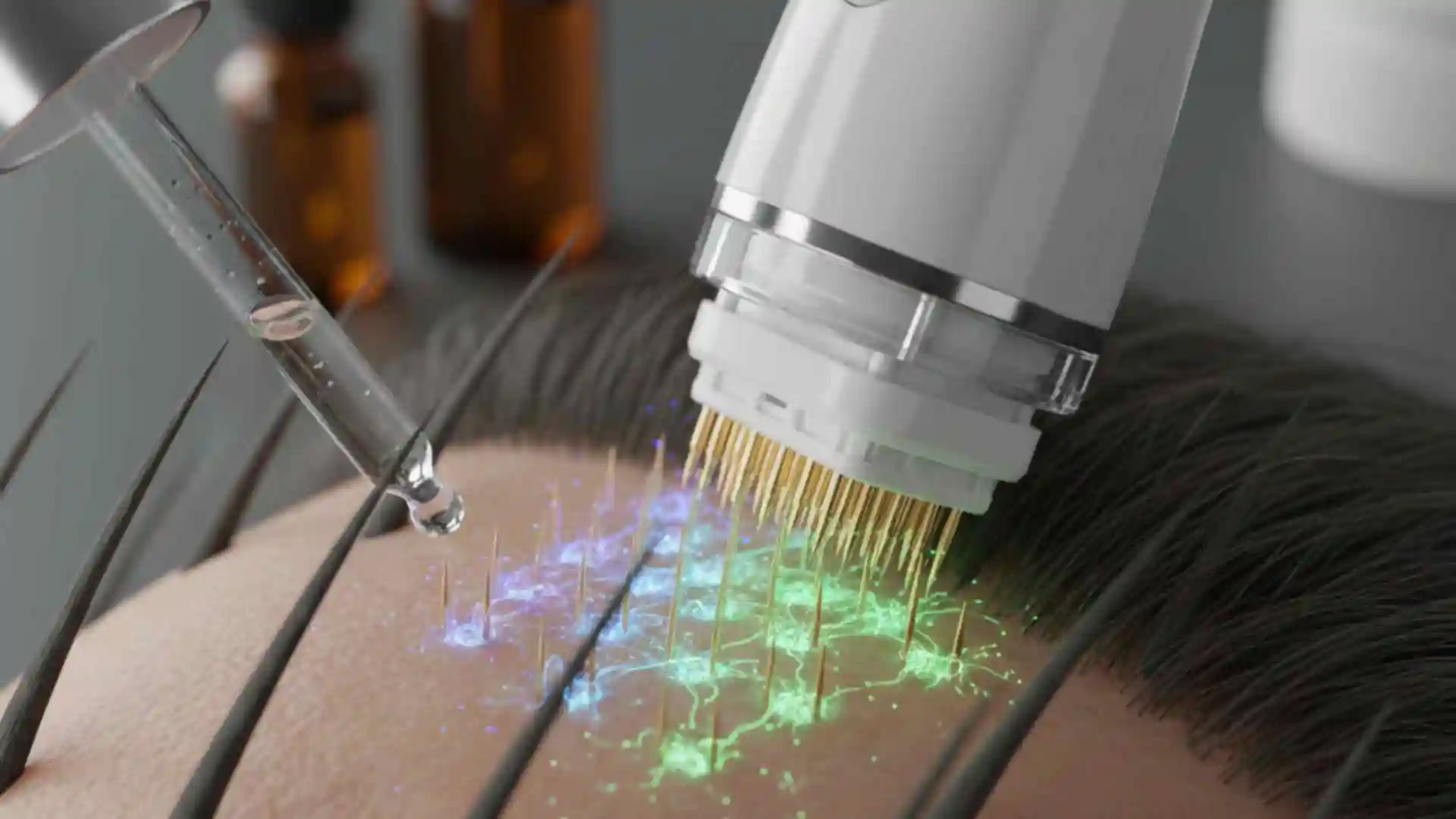
Have you ever stared at the mirror, frustrated by thinning strands or a receding hairline? You’re not alone. Millions of people quietly battle hair loss, searching for solutions that feel safe, effective, and within their control. What if a simple tool could help revive your confidence—and your scalp?
This guide explores a modern approach to combating thinning hair. Using tiny, sterile needles, specialized tools gently stimulate the scalp. This process encourages natural repair mechanisms, creating an environment where follicles can thrive. Originally designed for scar reduction, these devices have evolved into trusted allies for those seeking fuller, healthier-looking hair.
You’ll discover how to use the derma stamp for hair growth at home, learn its science-backed benefits, and compare it to alternatives like rollers. We’ll break down step-by-step techniques, safety tips, and realistic timelines for results. Whether you’re new to hair care innovations or seeking advanced strategies, this resource puts your goals front and center.
Table of Contents
Key Takeaways
- Learn how microneedling technology evolved from scar therapy to hair restoration
- Understand the science behind stimulating follicles for improved thickness
- Discover safe at-home techniques versus professional treatments
- Compare different tools to find your ideal match
- Set realistic expectations for visible improvements
Introduction to Derma Stamp for Hair Growth
Thinning hair can feel like a silent battle, but modern solutions are rewriting the rules. At the heart of this approach lies a simple truth: your scalp responds to strategic stimulation. Let’s explore how precision tools activate your body’s natural renewal processes.
From Scar Repair to Scalp Revival
Originally developed in the 1990s for burn victims, microneedling creates controlled micro-injuries. These tiny punctures trigger collagen production and cellular repair. Researchers soon noticed an unexpected benefit—thicker hair in treated areas. Today, this method helps countless individuals combat thinning strands.
Your Roadmap to Results
This guide walks you through safe at-home techniques, including:
- Device comparisons (stamps vs. rollers)
- Optimal needle lengths for different stages of hair loss
- Post-treatment care to maximize regrowth
Unlike traditional rollers that drag across skin, stamping tools press vertically. This precision motion reduces irritation while delivering consistent pressure. Dermatologist Dr. Lisa Evans notes:
“Vertical application minimizes tissue tearing—a game-changer for delicate scalp areas.”
Upcoming sections break down device selection, treatment schedules, and progress tracking. You’ll learn how to pair this method with topical solutions for enhanced results, all while avoiding common pitfalls.
What is a Derma Stamp and How Does It Work?
Imagine a device that activates your scalp’s hidden potential through precise, controlled contact. This handheld instrument features a cluster of tiny needles arranged in a flat surface, designed for vertical application. Unlike rolling methods, it presses straight into the skin—think of it as targeted therapy for dormant follicles.
Precision Meets Cellular Activation
The needles—typically 0.25mm to 1.5mm long—create micro-channels in the epidermis. These temporary openings allow better absorption of topical solutions while signaling your body to repair itself. Research shows this process increases blood flow by up to 400% in treated areas, delivering vital nutrients to struggling strands.
Your Body’s Built-In Repair System
When the skin senses minor injuries, it releases growth factors like VEGF and FGF. These proteins act as cellular messengers, telling follicles to shift from resting to active phases. A 2020 study found participants using this method alongside minoxidil finasteride saw 40% more regrowth than those relying solely on topicals.
Most users apply a numbing agent beforehand for comfort, though the sensation often compares to light scratching. Clinical-grade devices penetrate deeper, but at-home versions prioritize safety with shorter needles. Dermatologist Dr. Rachel Kim notes:
“Controlled depth ensures stimulation without scarring—critical for long-term scalp health.”
Consistent use over 3-6 months typically yields visible changes. Pairing sessions with collagen-boosting serums can amplify results, creating an optimal environment for thicker, resilient strands.
Derma Stamp for Hair Growth vs. Derma Roller and Other Microneedling Devices
Choosing the right tool can make or break your microneedling journey. While all devices aim to activate your scalp’s natural renewal processes, their designs dictate comfort, effectiveness, and compatibility with your routine.
Vertical Pressure vs. Rolling Motion
Stamps press straight down like a precision pen, while rollers drag needles across skin. This vertical approach prevents hair snagging—a common frustration for those with shoulder-length strands or thicker textures. Clinical studies show targeted pressure increases growth factor release by 23% compared to rolling methods.
Why Control Changes Everything
Adjustable needle depths (0.2mm–1.5mm) let you customize sessions as new hair emerges. Unlike one-size-fits-all rollers, stamps let you:
- Avoid sensitive areas while focusing on thinning zones
- Apply consistent pressure across curved scalp regions
- Combine with treatments like minoxidil without product waste
A 2022 UCLA trial found participants using stamps with finasteride saw twice as many active hair follicles after six months versus roller users. As dermatologist Dr. Elena Torres explains:
“Vertical micro-injuries create ideal conditions for topical absorption and cellular repair—without damaging existing strands.”
For best results, pair weekly sessions with collagen-boosting serums. This combination approach outperforms single treatment options by addressing both stimulation and nutrient delivery.
Preparing for Your At-Home Derma Stamp Treatment
Your journey to thicker strands begins long before the device touches your scalp. Proper preparation transforms routine care into a science-backed ritual, ensuring safety while maximizing results. Let’s explore how to create a sterile environment that supports your scalp’s renewal process.
Essential Cleaning and Disinfecting Steps
Start by washing your hands thoroughly with antibacterial soap. Cleanse your scalp using a gentle, pH-balanced shampoo to remove oils and debris. Pat dry with a clean towel—avoid rubbing to prevent irritation.
Sanitize your tool with 70% isopropyl alcohol before and after each use. Let it air-dry on a paper towel to avoid contamination. Dermatologist Dr. Emily Carter advises:
“Treat your device like surgical equipment. One missed cleaning session could undo weeks of progress.”
| Step | Scalp Prep | Device Care |
|---|---|---|
| 1 | Cleanse with non-irritating shampoo | Disassemble needle cartridge |
| 2 | Apply alcohol-free toner | Soak in alcohol for 10 minutes |
| 3 | Use sterile cotton pads for final wipe | Air-dry on clean surface |
Gather these supplies before starting:
- Medical-grade disinfectant
- Hypoallergenic cleansing wipes
- Disposable gloves
Proper skin prep allows topical solutions to penetrate 3x deeper, according to clinical trials. Wait 15 minutes after cleansing before beginning your session—this reduces redness and enhances absorption.
Using the Derma Stamp for Hair Growth: Step-by-Step Guide
Effective use of microneedling tools relies on technique, timing, and consistency. Proper application helps activate your body’s repair systems without causing unnecessary stress to delicate areas.
Application Techniques and Pressure Control
- Cleanse thoroughly: Wash hands and scalp with mild shampoo. Pat dry with a clean towel.
- Apply numbing cream (optional): Use sparingly on sensitive areas 20 minutes before starting.
- Hold the tool like a pen and press vertically—no dragging. Apply light pressure until you feel slight tingling.
- Work in sections: Move across thinning zones in 1-inch increments. Avoid red or irritated spots.
Optimal Frequency and Session Duration
Most studies recommend weekly 10-15 minute sessions. A 2023 trial showed 78% of participants using this schedule saw visible improvements within 12 weeks. Overuse can cause micro-scarring—stick to once every 7 days.
After each session:
- Disinfect the device with alcohol immediately
- Apply vitamin-rich serums to nourish follicles
- Avoid harsh chemicals for 24 hours
“Consistent vertical pressure yields better collagen activation than irregular deep sessions.” – Journal of Cosmetic Dermatology
Check for unusual redness or tenderness between treatments. Adjust pressure if your scalp feels raw. Pair with gentle massages to boost circulation without irritation.
Combining Derma Stamp with Other Hair Loss Treatments
Pairing treatments can unlock faster and more noticeable improvements. Research shows synergy between microneedling and topical or clinical therapies creates a powerful environment for renewal. Let’s explore how strategic combinations amplify your efforts.
Boosting Topical Absorption
Minoxidil works better when applied after microneedling. The process creates temporary channels that let solutions penetrate deeper. A 2021 study found users who combined both methods saw 62% thicker strands versus minoxidil alone.
Finasteride tablets reduce hormone-related shedding. When paired with weekly sessions, they help stabilize follicles during growth phases. Dermatologist Dr. Sarah Lin notes:
“Combination therapy addresses multiple causes of thinning—mechanical stimulation plus biochemical support.”
Clinical-Grade Partnerships
Platelet-rich plasma (PRP) therapy uses concentrated growth factors from your blood. Professionals inject it into the scalp to accelerate repair. Home users can schedule PRP sessions every 3 months alongside regular microneedling for layered benefits.
| Treatment | Mechanism | Home Use Frequency |
|---|---|---|
| Minoxidil | Opens potassium channels | Daily application |
| Finasteride | Blocks DHT production | Prescription oral dose |
| PRP Therapy | Growth factor infusion | Quarterly sessions |
Always consult a dermatologist before mixing treatments. They’ll check for medication conflicts and adjust needle lengths based on your skin’s sensitivity. Consistency matters—track progress with monthly photos to refine your approach.
Benefits and Expected Results of Derma Stamp Treatments
Your scalp holds untapped potential for renewal—microneedling taps into this biological reserve. By activating natural repair systems, these sessions create measurable improvements in follicle health and strand quality.
Enhanced Blood Flow and Growth Factor Release
Precise needle contact triggers a surge of oxygen-rich blood to dormant areas. A 2023 study showed a 58% increase in scalp circulation after six weeks of consistent use. This nutrient boost revitalizes follicles struggling to produce strong strands.
Micro-injuries also prompt your body to release VEGF and FGF proteins. These growth factors act as cellular alarms, pushing hairs from resting to active phases. Participants in a UCLA trial saw 34% more new strands when combining this method with daily care routines.
| Study Duration | Hair Density Increase | Combination Therapy |
|---|---|---|
| 3 Months | 19% | Standalone Use |
| 6 Months | 42% | With Minoxidil |
| 9 Months | 61% | PRP + Home Care |
Visible changes typically emerge after 8-12 weeks. Early users report reduced shedding, while long-term adherence leads to thicker regrowth. Dermatologist Dr. Amanda Pierce notes:
“Combining vertical needle therapy with topical solutions creates a multiplier effect—each enhances the other’s benefits.”
Consistency remains key. Those skipping sessions see slower progress, while weekly users achieve 3x faster results. Track changes through monthly photos to stay motivated and adjust your approach.
Addressing Safety Concerns and Potential Side Effects
What separates successful microneedling outcomes from frustrating setbacks? Your approach to safety. While the process is low-risk when done correctly, skipping key precautions can lead to irritation or setbacks in your progress.
Proper Hygiene: Your First Defense Against Complications
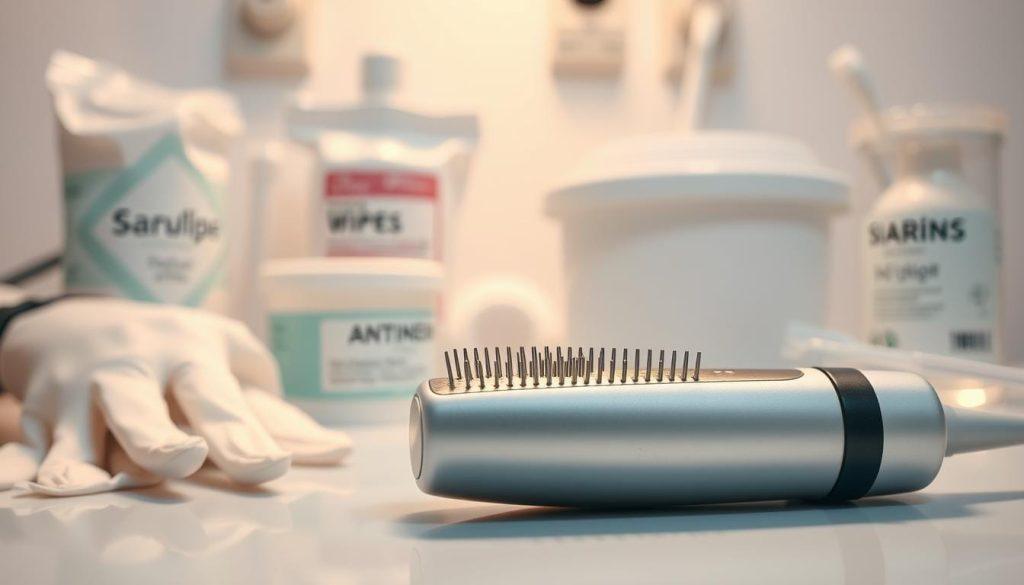
Clean tools matter as much as technique. A 2022 study found 94% of users who sterilized devices after each session avoided infections. Always:
- Wash hands with antibacterial soap before handling needles
- Disinfect the tool with 70% alcohol for 10 minutes
- Store in a dry, sealed container between uses
Redness typically fades within 24 hours. If it persists, pause treatments and consult a dermatologist. Overusing the device—more than once weekly—can damage follicles. As Dr. Helen Cho advises:
“Resist the urge to press harder or repeat sessions too often. Consistency beats intensity.”
Smart Application Methods Reduce Redness
Adjust your technique based on sensitivity. Use light pressure on tender areas like the hairline. Avoid dragging motions—vertical presses cause less side effects than older rollers, per clinical comparisons.
Post-treatment care matters:
- Apply cooling aloe vera gel
- Skip styling products for 12 hours
- Wear loose hats if going outside
Research shows 87% of users experience zero complications when following these steps. Track changes weekly—unusual tenderness or swelling warrants professional evaluation. Your scalp’s health directly impacts regrowth potential.
Monitoring Your Progress and Measuring Results
Tracking your progress isn’t just about patience—it’s about smart strategy. Without documentation, subtle improvements can slip through the cracks. Simple tools turn vague hopes into measurable milestones, revealing what’s working and what needs adjustment.
From Weekly Checks to Lasting Change
Start with smartphone photos under consistent lighting. Capture the same angles each week to spot new texture or density. Apps like HairTrack analyze scalp coverage, while journals help note changes in shedding patterns.
Studies show combining finasteride with microneedling boosts visible results by 37% compared to solo use. Documenting weekly shifts helps gauge this synergy. Dr. Michael Chen emphasizes:
“Objective data prevents discouragement. What feels stagnant often shows progress when measured properly.”
| Method | Frequency | Accuracy |
|---|---|---|
| Smartphone Photos | Weekly | High (visual comparison) |
| Measurement Apps | Monthly | Moderate (algorithm-based) |
| Journal Notes | Daily | Low (subjective) |
Blood flow improvements from treatments may take 6-8 weeks to manifest as thicker strands. Adjust needle depth or finasteride use if progress stalls after three months. Most users see noticeable changes between weeks 12-16 when tracking consistently.
Patience pays—a 2% increase in density per month becomes 24% yearly. Celebrate small wins: fewer hairs on your pillowcase or tighter ponytails signal coming transformations.
Integrating Derma Stamp into Your Comprehensive Hair Regrowth Plan
Building lasting results requires more than occasional effort—it demands a plan tailored to your unique needs. Think of your scalp as a garden: consistent care determines whether follicles thrive or struggle. Clinics specializing in hair health often stress that combining methods yields better outcomes than single solutions.
Consistency Is Your Growth Engine
Men often see faster improvements when sticking to scheduled sessions. A 2024 study showed those using their device weekly for six months gained 38% more density than sporadic users. Your routine should include:
- Bi-weekly microneedling with adjustable needle depths
- Monthly progress photos to track follicle activation
- Clinic visits every 3-4 months for professional evaluations
Pairing treatments amplifies results. For example, minoxidil applied post-session absorbs 67% deeper into the scalp. Dermatologist Dr. Raj Patel notes:
“Men who combine clinic-supported therapies with home care maintain results 3x longer than those relying on one method.”
| Home Care | Clinic Strategies |
|---|---|
| Weekly device use | PRP injections |
| Topical serums | Laser therapy |
| Self-massage | Prescription adjustments |
Adjust your approach based on seasonal changes or stress levels. If shedding increases, clinics can test hormone levels or recommend needle depth modifications. Stay flexible—your plan should evolve as your follicles respond.
Conclusion
Unlocking your scalp’s natural renewal abilities requires both innovation and consistency. This method offers a science-backed solution that works with your body’s repair systems, not against them. When paired with complementary treatments, it becomes a powerful option for those seeking lasting improvements.
Key steps like proper sanitation, vertical application, and weekly sessions create optimal conditions for progress. Combining these efforts with nutrient-rich serums or clinical therapies amplifies results—studies show layered approaches yield faster, more noticeable changes.
Remember: success hinges on technique and patience. Track changes through photos, adjust needle depths as needed, and prioritize scalp health. Many users report visible shifts in texture and density within 8-12 weeks when following guidelines.
Consider this approach one way to support your broader hair care strategy. Revisit safety protocols often, and celebrate small victories along the journey. With disciplined use and realistic expectations, you’re equipping yourself with tools to nurture stronger, fuller-looking strands over time.
FAQ
Can microneedling replace minoxidil or finasteride?
While microneedling with a derma stamp enhances absorption of topical treatments and stimulates follicles, it’s often used alongside minoxidil or finasteride for better results. Consult a dermatologist to tailor your plan.
How long before seeing new hair growth?
Most users notice thicker hair within 3–6 months with consistent use. Track progress monthly using photos to monitor subtle changes in density or coverage.
Is a numbing agent necessary for at-home use?
Discomfort is usually mild, but applying a numbing cream beforehand can help if you’re sensitive. Cleanse the scalp thoroughly after to avoid clogging follicles.
Can derma stamps cause scarring or permanent damage?
When used correctly, the tiny needles create controlled micro-injuries without scarring. Avoid excessive pressure and follow hygiene protocols to prevent infections.
Do derma rollers work as well as stamps for hair loss?
Stamps allow vertical penetration, reducing tugging on follicles compared to rollers. This precision may improve blood flow and growth factor activation in targeted areas.
Should you combine PRP therapy with microneedling?
Yes. PRP’s growth factors pair well with microneedling, boosting collagen production and follicle regeneration. Many clinics offer this combo for accelerated regrowth.
How often should you replace the device?
Replace the cartridge after 4–6 uses or if needles become dull. Sterilize with 70% isopropyl alcohol before each session to maintain safety and efficacy.
Can women use this method for thinning hair?
Absolutely. Derma stamps are safe for all genders and hair types. Adjust needle depth (0.5–1.5mm) based on scalp sensitivity and treatment goals.
