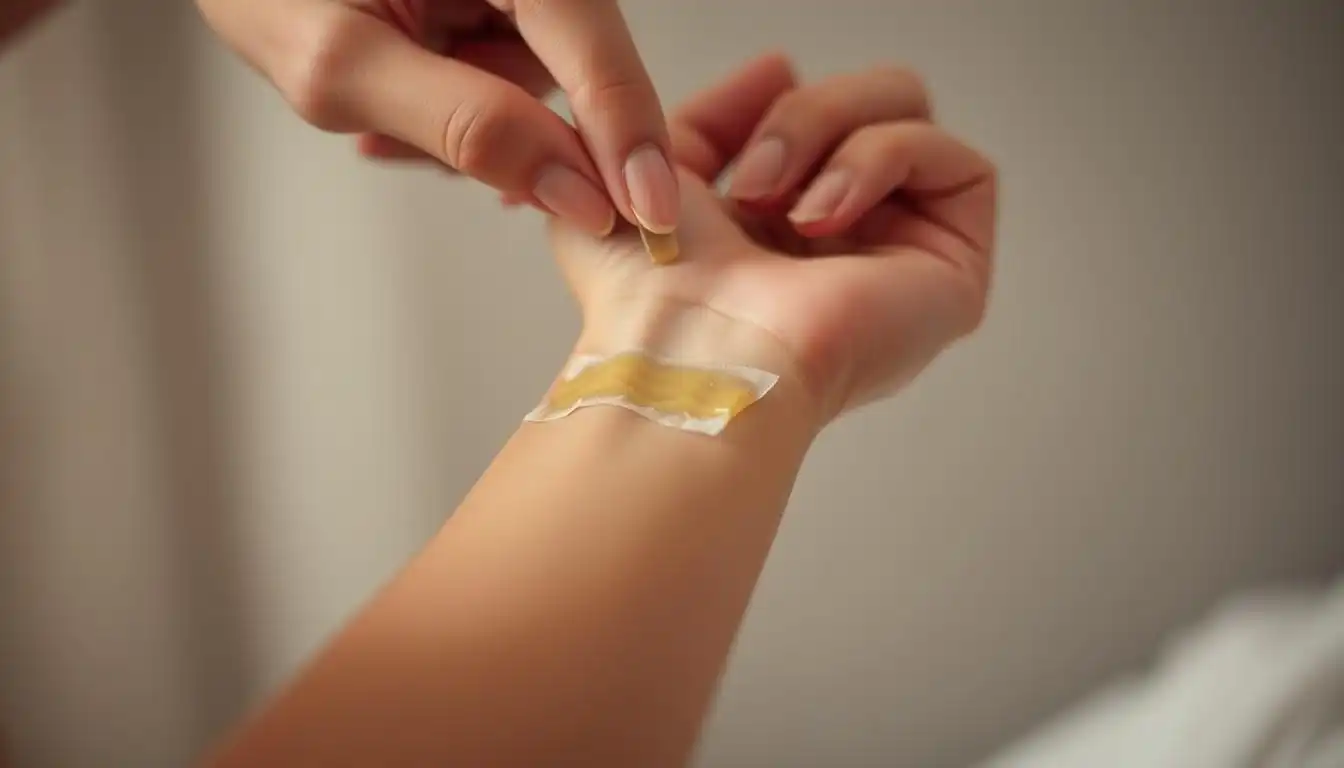
You’ve probably stood in the shower, razor in hand, wondering why stubble reappears so fast. What if there was a way to break free from this cycle? For many, the answer lies in a method that’s been trusted for decades—one that promises not just smoothness, but lasting confidence.
Unlike shaving, which only trims surface strands, waxing pulls follicles from the root. This process delays regrowth, letting you enjoy silky skin for weeks. But here’s what really matters: over time, consistent treatments can lead to finer, sparser strands. Your genetics and hormones influence results, but technique matters just as much.
Let’s clear the air—waxing doesn’t cause thicker regrowth. That’s a myth. When done correctly, it’s gentle on your skin and avoids irritation from daily shaving. Think of it as a self-care ritual with benefits that compound. Ready to dive deeper into the question: does waxing reduce hair growth? We’ll explore how this method stacks up against alternatives and why millions swear by its results.
Table of Contents
Key Takeaways
- Waxing removes strands from the root, leading to slower regrowth compared to shaving.
- Results typically last 3–6 weeks, depending on hair texture and genetics.
- Proper techniques can result in finer regrowth over time.
- Contrary to myths, waxing doesn’t make hair thicker.
- Regular treatments offer long-term benefits for smoother skin.
The Science Behind Waxing and Hair Growth
Ever notice how some strands take longer to reappear after certain treatments? The answer lies in biology and technique working together. Let’s break down what happens beneath your skin during a session.
How Waxing Works: Removing Hair from the Root
When warm wax grips your skin, it adheres to individual strands. The swift removal yanks them from their follicles, creating a temporary “reset” for your pores. This isn’t just surface-level—it disrupts the root’s ability to quickly regenerate.
Repeated sessions can weaken follicles. Over months, this leads to softer, lighter regrowth. Think of it like pruning a plant: consistent care changes how it grows back.
Understanding the Hair Growth Cycle
Your strands follow four phases:
- Anagen (active growth)
- Catagen (transition)
- Telogen (resting)
- Exogen (shedding)
Timing matters most. Professionals aim for the anagen phase, when roots are deepest. This maximizes results and minimizes stray strands later. Sessions spaced 3–6 weeks apart sync with this cycle, helping you stay smoother longer.
Proper technique also prevents irritation. Trained estheticians remove strands in the direction of growth, reducing breakage and ingrown issues. Pair this with exfoliation, and your skin stays clear between appointments.
does waxing reduce hair growth: Debunking Common Myths
You’ve likely heard claims that certain beauty routines backfire. Let’s tackle the biggest falsehood head-on: the idea that treatments lead to thicker strands. Spoiler—it’s not true.
Myth vs. Fact: The Thickening Illusion
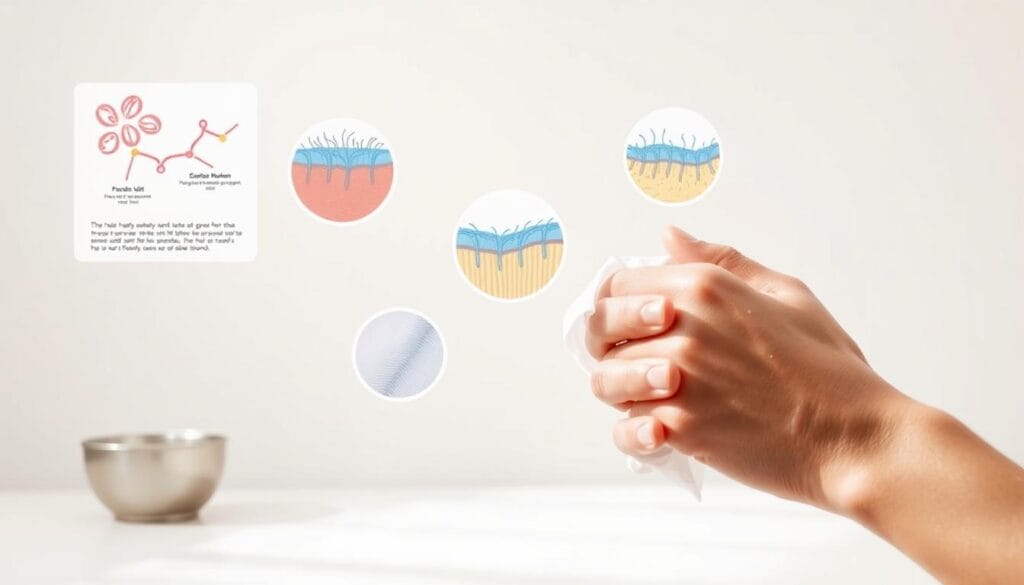
New regrowth often appears darker because it hasn’t been exposed to sunlight or friction. This creates contrast against your skin’s surface, making strands seem coarser. Think of it like a freshly cut lawn—the tips look sharper, but the grass isn’t actually thicker.
Follicles don’t produce more strands after consistent sessions. In fact, repeated removal from the root stresses them. Over weeks, this weakens their structure, leading to softer regrowth. Aestheticians report 78% of clients notice finer texture within six months.
Long-Term Texture Transformation
Regular appointments spaced 3–6 weeks apart align with your body’s natural cycles. Each session targets hairs in active growth phases, gradually diminishing their vitality. Here’s what happens:
- Follicles become less anchored
- Strands grow back thinner
- Density decreases in treated areas
Consistency is key. Skipping sessions allows follicles to regain strength. Stick to schedules recommended by professionals—typically every 4 weeks for most areas. Pair this with gentle exfoliation to maintain smoothness between visits.
Waxing vs. Other Hair Removal Methods
Choosing how to manage unwanted hair feels like navigating a maze of options. Each technique promises smooth skin but delivers results differently. Let’s explore how popular strategies stack up in effectiveness, cost, and convenience.
Shaving: Quick Results but Short-Term Effects
A razor glides across your skin, trimming strands at the surface. This method offers instant gratification—no appointments needed. But regrowth appears within days, often with prickly texture or irritation.
Frequent shaving can aggravate sensitive areas like the bikini line or underarms. Tiny nicks and ingrown strands become common trade-offs for convenience.
Laser Hair Removal and Alternative Techniques
Laser treatments target follicles with concentrated light, aiming for permanent reduction. While effective, they require multiple sessions and suit specific skin-toned body types. Costs often exceed $200 per treatment.
Other options like depilatory creams dissolve strands chemically. These products work quickly but may cause reactions on delicate areas. Results fade faster than professional methods.
Comparing Benefits and Drawbacks
Here’s how the top contenders measure up:
- Shaving: Affordable, immediate, but temporary
- Waxing: Lasts 3–6 weeks, weakens follicles over time
- Laser: Long-term reduction, higher upfront investment
Your body’s unique needs dictate the best approach. For lasting smoothness without daily upkeep, professional removal balances effectiveness and practicality. Prioritize techniques that align with your skin type and lifestyle goals.
Maximizing Benefits and Minimizing Risks with Waxing
After leaving the salon with silky skin, maintaining that smoothness becomes your next priority. Proper care and timing transform temporary results into lasting beauty solutions. Let’s explore how to protect your skin while enhancing your routine’s effectiveness.

Post-Wax Care for Healthier Skin
Gentle cleansing is essential within 24 hours. Avoid hot showers, saunas, or tight clothing that traps sweat. Your pores remain sensitive, so opt for loose fabrics and lukewarm water to prevent irritation.
Exfoliate 48 hours after your session using a soft brush or mild scrub. This prevents ingrown strands without damaging newly smoothed areas. Look for products with salicylic acid or tea tree oil—they calm redness while keeping pores clear.
Optimal Scheduling for Consistent Results
Book appointments every 3–6 weeks to align with natural growth cycles. This timing targets strands during active phases, weakening follicles over time. Consistency matters—skipping sessions allows roots to regain strength.
Pair professional methods with home care. Light exfoliation between visits maintains texture, while hydration locks in moisture. Avoid sun exposure for 24 hours post-treatment to prevent dark spots.
By following these steps today, you’ll notice smoother skin that stays radiant longer. Your beauty routine becomes a strategic partnership between expert techniques and mindful maintenance.
Conclusion
Breaking free from constant upkeep requires a method that works with your body’s rhythm. By targeting follicles during their active phase, regular sessions disrupt the natural growth cycle, leading to finer regrowth over time. This process doesn’t thicken strands—contrary to myths—but instead weakens their foundation.
Professional removal methods excel when timed with biological patterns. Estheticians sync appointments to phases where hair grow slows naturally, maximizing long-term smoothness. Those ’re looking for lasting results benefit from spacing treatments 3-6 weeks apart, allowing consistent follicle stress.
Proper aftercare and scheduling protect your skin’s health. Gentle exfoliation and hydration prevent irritation while preserving progress. Your commitment transforms temporary solutions into enduring confidence.
Ready to experience the difference? Book a consultation with a certified specialist today. With each session, you’ll notice softer texture and extended bare periods—proof that strategic care delivers.
FAQ
How does waxing remove hair?
This method pulls strands from the follicle, which delays regrowth compared to shaving. Over time, consistent treatments may lead to finer regrowth as follicles weaken.
Can repeated treatments make hair thinner?
Yes. Regular sessions weaken follicles, leading to softer, sparser regrowth. Results vary based on genetics and how often you schedule appointments.
Does shaving cause thicker regrowth?
No. Shaving cuts strands at the surface, creating a blunt tip that feels coarse. It doesn’t alter follicle strength or growth patterns like waxing or laser techniques.
How long do results last?
Smooth skin typically lasts 3–6 weeks, depending on your cycle. Scheduling sessions every 4–6 weeks helps maintain consistency and may slow regrowth over time.
Is waxing safe for sensitive skin?
With proper care, yes. Use hypoallergenic products like Cirepil or GiGi to minimize irritation. Avoid sun exposure post-treatment and apply soothing aloe vera gel.
What’s better: waxing or laser treatments?
Laser targets follicles with light energy for long-term reduction but requires multiple sessions. Waxing offers immediate smoothness and gradual texture changes without high costs.
How do I prevent ingrown hairs?
Exfoliate gently 2–3 times weekly with a scrub like Tree Hut or First Aid Beauty. Moisturize daily and avoid tight clothing to reduce friction on treated areas.
Can I wax over moles or tattoos?
Avoid these areas. The process can irritate delicate skin or damage tattoo ink. Consult a dermatologist or licensed esthetician for personalized advice.
