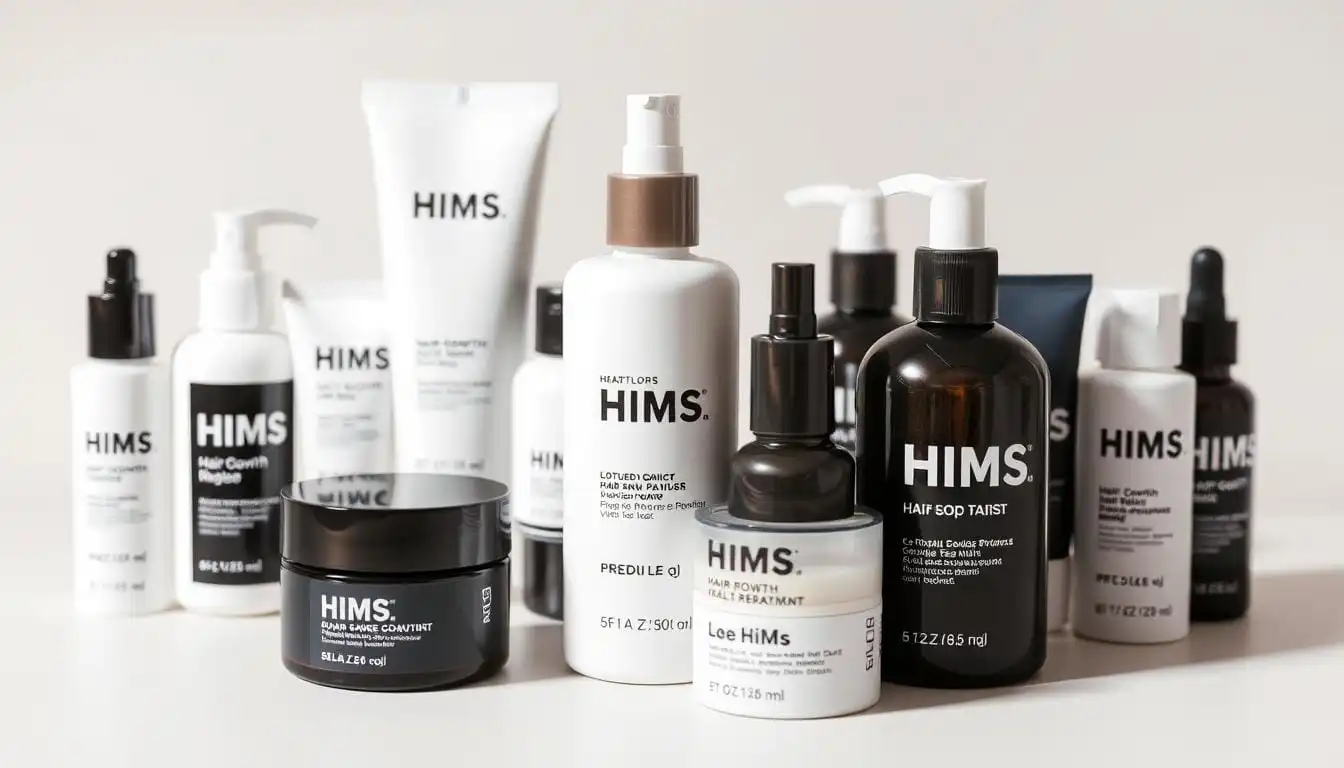
You’ve noticed it—the thinning strands, the receding hairline, the frustration of watching your confidence fade with every brushstroke. Hair loss isn’t just a physical change; it’s a deeply personal journey. Maybe you’ve tried countless products, hoping for a solution that feels effortless and authentic. That’s where modern telehealth steps in, offering a fresh approach to tackling this age-old concern.
This review dives into a popular option for those seeking accessible solutions. We’ll explore how customized plans combine clinically studied ingredients like finasteride (an oral medication) and minoxidil (a topical foam). The goal? To simplify the process—no awkward pharmacy visits or endless waiting rooms. Instead, consultations happen online, with treatments shipped discreetly to your door.
But does it deliver? We’ve analyzed expert insights, real user stories, and scientific data to give you a balanced perspective in this hims hair growth review. Whether you’re new to addressing thinning strands or refining your routine, this guide unpacks what to expect—pros, cons, and everything in between.
Table of Contents
Key Takeaways
- Telehealth platforms offer convenient access to personalized treatment plans.
- Options include both oral medications and topical solutions backed by research.
- Expert consultations prioritize privacy and ease of use.
- Results vary, with some users reporting visible improvements in thickness.
- Potential side effects and long-term commitment are factors to consider.
Understanding Hair Loss and Treatment Options
Hair thinning can creep up quietly, leaving many scrambling for solutions. By age 50, studies show 85% of men face noticeable changes, often tied to genetics or sensitivity to DHT—a hormone that shrinks follicles. Recognizing the signs early helps you act faster.
What Triggers the Change?
Patterns matter. A receding hairline or thinning crown often points to androgenetic alopecia, the most common cause. Follicles gradually miniaturize, producing finer strands until growth stops. Stress, hormonal shifts, or nutritional gaps can accelerate shedding.
Navigating Your Choices
Options range from topical solutions to clinical procedures. Over-the-counter minoxidil boosts blood flow to follicles, while prescription oral medications target hormone production. Laser therapies and transplants offer alternatives for stubborn cases.
| Treatment Type | Key Ingredients | Best For |
|---|---|---|
| Topical Solutions | Minoxidil 5% | Early-stage thinning |
| Oral Medications | Finasteride | Hormone-related loss |
| Laser Therapy | Low-level light | Maintaining density |
Pairing treatments with a consistent hair care regimen amplifies results. Gentle shampoos, scalp massages, and nutrient-rich diets support follicle health. Consult a professional to match solutions to your unique pattern.
What is Hims and Their Telehealth Approach?
Starting as a mail-order solution in 2017, this brand reshaped how men approach sensitive health topics. Initially focused on thinning strands, they’ve expanded into broader wellness, including emotional well-being. Their model prioritizes discretion—no waiting rooms or pharmacy lines.
Background of the Brand
The company began by simplifying access to clinically backed solutions for common concerns. Over time, they recognized that wellness isn’t one-size-fits-all. Today, their platform addresses physical and mental health through tailored plans.
The Role of Online Consultations
Licensed providers evaluate your history via secure forms, recommending personalized options. Approved prescriptions ship discreetly, often within days. This approach removes barriers for those juggling busy schedules or privacy preferences.
Beyond physical treatments, the brand offers resources for stress management and confidence-building. It’s a holistic strategy—because feeling your best involves more than just visible results.
Key Ingredients in Hims Hair Loss Products
Effective formulas rely on science-backed components that target different aspects of thinning. Combining medications with supportive nutrients creates a multi-angle strategy for better results.
Active Medications: Minoxidil, Finasteride, and Ketoconazole
Minoxidil widens blood vessels around follicles, delivering more oxygen and nutrients. Finasteride blocks the hormone that shrinks vulnerable hair roots. Used together, they address both circulation and hormonal factors.
Oral forms of finasteride offer systemic effects, potentially working faster for hormone-related patterns. Topical versions minimize absorption into the bloodstream, which some prefer for reduced side effect risks.
Ketoconazole, often found in shampoos, fights scalp inflammation linked to shedding. Studies suggest it may enhance minoxidil’s effectiveness when used in hybrid regimens.
Supplemental Nutrients and Biotin-Based Options
While medications tackle root causes, vitamins fill nutritional gaps. Biotin strengthens keratin structure, while zinc supports follicle cell division. These aren’t standalone solutions but boost overall strand resilience.
| Ingredient | Type | Primary Function |
|---|---|---|
| Minoxidil | Topical/Oral | Stimulates blood flow |
| Finasteride | Oral | Blocks DHT production |
| Ketoconazole | Topical | Reduces scalp irritation |
| Biotin | Supplement | Strengthens protein bonds |
Research shows combining oral finasteride with topical solutions extends the active growth phase. Always consult a provider to balance potency with your health profile.
Benefits and Limitations: A Comprehensive hims hair growth review
When exploring solutions, understanding both advantages and drawbacks is crucial. Telehealth platforms simplify access to clinically studied treatments, but real-world results depend on individual biology and consistency. Let’s break down what works—and what might give you pause.
Pros and Cons of the Product Offerings
Online consultations eliminate clinic visits, letting you discuss options privately. Many appreciate personalized plans combining oral medications with topical formulas. “The convenience changed everything,” shares one user. “No more awkward conversations at the pharmacy.”
However, side effects remain a concern. Finasteride may cause temporary dizziness, while minoxidil can trigger scalp irritation. Research shows 2-5% of users experience these effects, usually mild but worth monitoring.
- Benefits: Discreet delivery, multiple treatment formats, expert follow-ups
- Limitations: Subscription flexibility issues, delayed shipping during peak times
Some find the automatic renewal model challenging to pause. Others note results take 4-6 months—patience is key. As one dermatologist advises: “Combine these loss products with lifestyle changes for better outcomes.”
Always consult your doctor before starting new medication. While telehealth streamlines access, your health history determines which treatment fits safely.
Product Offerings and Customization Options
Finding the right approach starts with understanding your options. Modern solutions range from daily-use topicals to personalized oral regimens, giving you flexibility based on your lifestyle and goals. Choices matter—whether you prefer targeted formulas or multi-step routines.
Prescription vs. Over-the-Counter Solutions
Prescription products like finasteride require medical approval, targeting hormone-related thinning at its source. These are ideal if you’ve tried basic options without success. Over-the-counter treatments, such as minoxidil foam, offer easier access for early-stage concerns.
Some plans blend both types, letting you address multiple factors simultaneously. This layered strategy often yields faster improvements in thickness and coverage.
Hybrid Formulations and Custom Treatment Plans
Combination products simplify routines. Imagine a single foam with minoxidil and ketoconazole—cutting application time while fighting inflammation. Providers often adjust ingredient ratios based on your progress photos or feedback.
Customization extends to delivery methods too. Prefer pills? Opt for oral finasteride. Sensitive scalp? Switch to a gentler topical blend.
Range of Hair Care and Styling Products
Beyond medications, volumizing shampoos and thickening fibers enhance your look instantly. These styling aids work alongside long-term treatments, masking thin spots while active ingredients take effect. A nourishing conditioner might also reduce breakage, protecting fragile strands.
Subscription models ensure you never run out of essentials. Adjust frequencies or pause shipments as your needs evolve—no need to stockpile products.
User Experience and Customer Service Insights
Navigating online services for personal needs can feel overwhelming—until the process clicks. Many appreciate streamlined systems that respect their time and privacy. Let’s explore how one platform balances efficiency with real-world user needs.
Online Consultation and Subscription Process
Getting started takes three steps. First, complete a health questionnaire—takes about 10 minutes. Next, a licensed provider reviews your details within one business day. Approved plans ship discreetly, often arriving in under five days.
Managing subscriptions happens through your account dashboard. You can delay shipments, switch medications, or adjust frequencies. Some users report delays when canceling, though. “It took two emails to pause my plan,” shares Marcus, a 34-year-old from Texas.
Customer Feedback and Service Response
Reviews highlight the clean interface and prompt provider replies. Over 80% rate the platform’s ease of use as “excellent” in recent surveys. However, peak season shipping snags frustrate a minority. Support typically responds within 24 hours via chat or email.
Product quality earns mixed notes. The thickening shampoo receives praise for its lightweight feel, while some find the scent too medicinal. As one user notes: “It works better than drugstore options, but I wish the scent lasted longer.”
Key takeaways? Speed and simplicity win points, but flexibility in subscription tweaks could improve. Always track shipment dates if you’re time-sensitive.
Comparing Hims with Other Hair Loss Treatments
Choosing the right solution for thinning strands can feel like navigating a maze of options. Direct-to-consumer brands like Roman, Keeps, and Lemonaid all promise convenience, but their approaches differ in key ways. Let’s break down how these services stack up—so you can find the best fit for your needs.
Direct-to-Consumer Models and Competitor Offerings
While most brands offer minoxidil and finasteride, the depth of customization varies. One user notes: “Hims stood out by combining both oral and topical options in my plan—others felt one-size-fits-all.” Competitors like Keeps focus narrowly on male pattern baldness, while this brand also addresses stress-related shedding and scalp health.
| Brand | Key Products | Pricing (Monthly) |
|---|---|---|
| Hims | Minoxidil foam, finasteride tablets, hybrid kits | $30-$85 |
| Roman | Finasteride + minoxidil combo | $50-$90 |
| Keeps | Minoxidil solution, finasteride | $25-$80 |
Effectiveness hinges on ingredient quality. All major brands use FDA-approved hair loss products, but Hims’ shampoos include ketoconazole—a proven anti-inflammatory others skip. For male pattern concerns, this dual-action approach may yield faster results.
Customer service also diverges. While Lemonaid offers 24/7 chat support, some users report slower response times during peak hours. Subscription flexibility is another differentiator—adjusting doses or pausing shipments takes fewer clicks here compared to rivals.
Ultimately, your choice depends on priorities. If personalization and expanded pattern baldness solutions matter most, one platform might edge out others. For budget-focused shoppers, alternatives could appeal. Always cross-check clinical data and return policies before committing.
Safety, Side Effects, and Clinical Effectiveness
Before starting any regimen, knowing possible reactions and what research reveals helps you weigh risks versus rewards. While many find success with modern solutions, individual responses vary widely—making awareness essential.
Understanding Common Reactions and FDA Standards
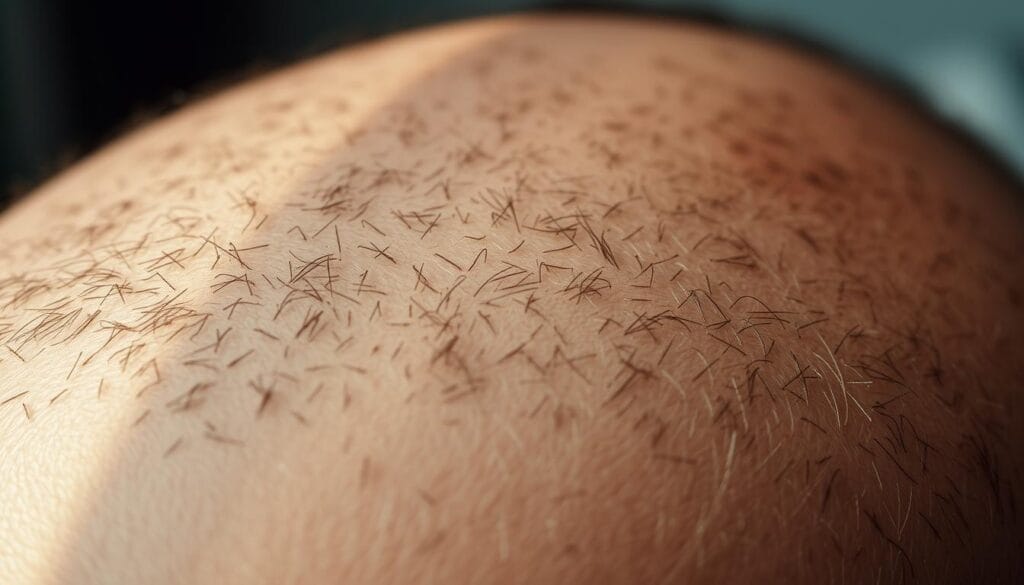
Topical formulas like minoxidil carry FDA approval for pattern-related thinning, while oral options target hormonal roots. Temporary shedding often occurs early as weaker strands make way for healthier growth. Around 15% of users report mild scalp dryness or itching, typically fading within weeks.
Prescription medications undergo rigorous testing, but long-term use requires monitoring. “Always discuss your medical history,” advises Dr. Ellen Park, a dermatologist specializing in alopecia. “Certain conditions or medications might increase sensitivity.”
What Studies and Users Reveal
Clinical trials show 83% of participants maintained or improved density after 12 months of consistent use. Real-world feedback echoes this—62% in one survey noted visible changes in thinning areas by month six. However, those with sensitive scalps should proceed cautiously, as irritation can temporarily worsen shedding.
Combining treatments amplifies outcomes for many. Pairing nutrient-rich shampoos with targeted solutions supports scalp health, creating a better environment for growth. For those managing mild alopecia, this layered approach often yields faster stabilization.
Patience remains key. Experts recommend giving plans at least four months before assessing effectiveness. Regular check-ins with providers help adjust dosages or switch formulas if needed.
Pricing, Consultations, and Subscription Details
Understanding costs and managing subscriptions shouldn’t add stress to your routine. Modern services aim to simplify budgeting while delivering consistent results. Let’s explore how pricing stacks up against alternatives and strategies to stay in control of your plan.
Cost Comparison and Insurance Considerations
Monthly plans for topical products start at $30, while oral treatment bundles average $65—often 40% cheaper than traditional clinics. Unlike insurance-covered options, these direct-to-consumer models cut middlemen costs. Here’s how major brands compare:
| Service | Basic Plan | Combo Kits |
|---|---|---|
| Hims | $30/month | $85/month |
| Competitor A | $35/month | $95/month |
| Competitor B | $28/month | $78/month |
Free consultations help you avoid unnecessary expenses. Providers assess your needs before recommending products, ensuring you only pay for what works. No surprise bills—transparency is baked into the model.
How to Manage Your Subscription Effectively
Set reminders for two key dates: shipment processing day (usually the 1st) and the 5-day cancellation window. Log into your account dashboard to:
- Delay deliveries if supplies last longer
- Switch formulas based on progress
- Pause plans during travel
One user shared: “I adjust my shipments every 3 months—saves money and prevents clutter.” Daily use fits seamlessly into routines, with many applying topical products during morning showers. Sync applications with existing habits for better consistency.
Remember—subscriptions auto-renew unless paused. Review terms carefully, and contact support via chat for swift changes. Proactive management keeps costs predictable while maintaining treatment momentum.
Conclusion
Your journey to addressing thinning strands hinges on informed choices and consistency. Telehealth platforms simplify access to clinically backed treatments, combining convenience with personalized plans. Ingredients like finasteride and minoxidil target key factors—hormonal shifts and blood flow—but require patience for visible results.
While many appreciate discreet delivery and expert support, potential side effects and subscription rigidity remain considerations. “It’s not a quick fix,” notes one user, “but consistency pays off.” Options range from prescription-strength formulas to scalp-nourishing routines, letting you tailor approaches to your needs.
Before committing, weigh both scientific data and real-world experiences. Pairing these solutions with a nutrient-rich diet and gentle styling habits supports long-term health. Remember: what works varies by individual—consult providers to align care with your biology and lifestyle.
Ultimately, managing thinning strands is about balancing evidence-based treatments with realistic expectations. Stay proactive, stay patient, and prioritize health at every step.
FAQ
How do prescription treatments like minoxidil and finasteride work?
Minoxidil improves blood flow to the scalp, stimulating follicles, while finasteride blocks a hormone linked to thinning. Both are FDA-approved and clinically proven to slow loss and promote regrowth.
Are online consultations necessary for accessing these products?
Yes, prescription-based options require a telehealth evaluation to ensure safety and suitability. Over-the-counter items like biotin supplements or thickening shampoo don’t need a prescription.
Can these products help with receding hairlines or thinning crowns?
They’re most effective for male pattern baldness, targeting areas like the crown. Early intervention increases the chance of visible results, but individual responses vary.
What are common side effects to watch for?
Minoxidil may cause scalp irritation, and finasteride can lead to temporary sexual side effects. Most issues resolve after stopping use, but consult a provider if concerns arise.
How does pricing compare to traditional pharmacies or competitors?
Subscription plans often cost less than retail pharmacies. However, insurance typically doesn’t cover these treatments, so factor that into your budget.
Are there alternatives if oral medications aren’t suitable?
Topical foams, ketoconazole shampoo, or biotin supplements offer non-prescription paths. Some brands combine these with vitamins for a hybrid approach to scalp health.
How long before noticing improvements in thickness or density?
Most users see initial changes in 3–6 months, but full results may take a year. Consistency is critical—skipping doses can delay progress.
Can women use these products for hair thinning?
Some formulations, like topical minoxidil, are FDA-approved for female pattern hair loss. Always confirm with a provider to avoid contraindications.
What happens if I cancel my subscription plan?
You’ll stop receiving shipments, and any automatic payments end. Restarting requires a new consultation if your prescription has expired.
Do custom plans include non-medical items like styling products?
Yes. Bundles often pair medications with volumizing shampoo, conditioner, or texturizing spray to enhance results and simplify your routine.
