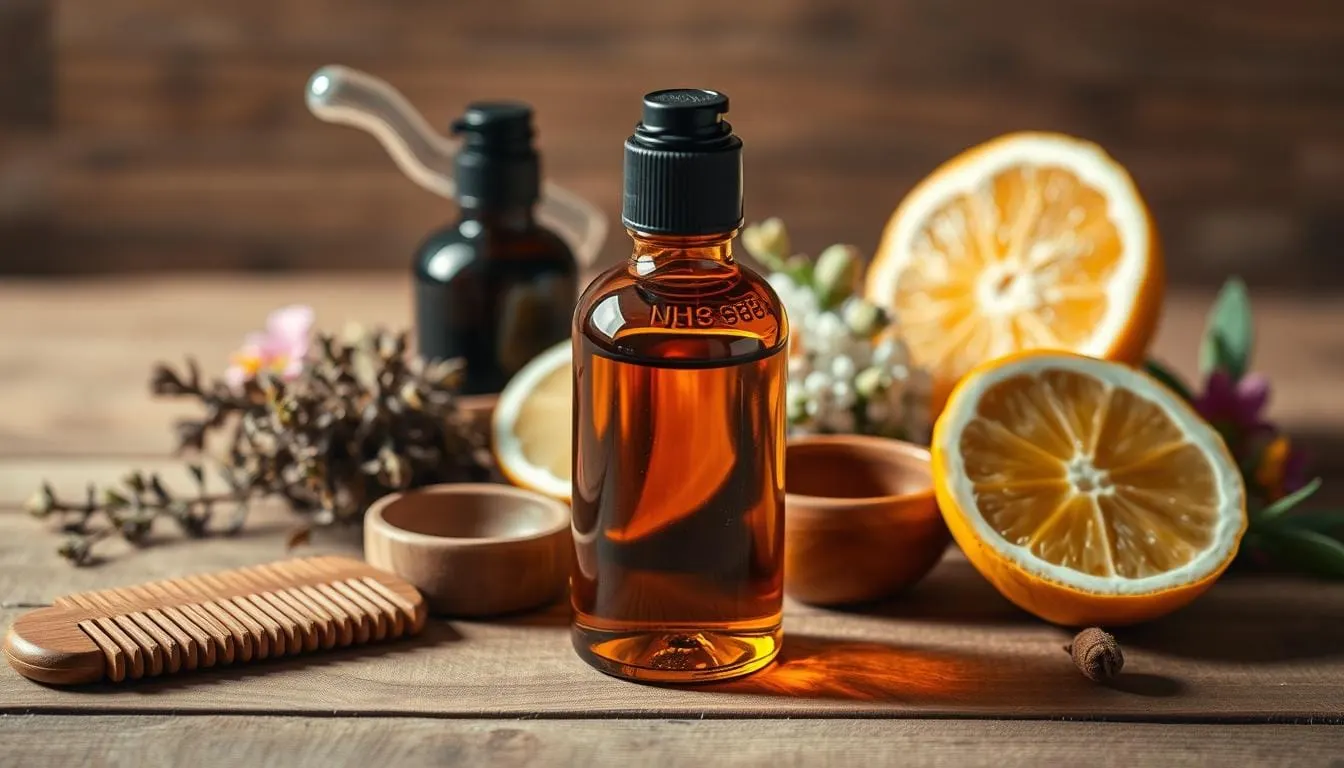
Imagine running your fingers through thick, vibrant strands that feel alive with strength. For many, this dream feels out of reach—until you rediscover a practice as old as time itself. Scalp oiling isn’t just a trend; it’s a ritual passed down through generations, celebrated in Ayurvedic traditions for its power to hydrate and revitalize.
Modern routines have refined these ancient methods, blending them with today’s needs. Whether you’re using coconut, argan, or almond oil, the goal remains the same: nourish your roots without overwhelming them. Experts emphasize balance—applying too little won’t deliver results, while excess can weigh hair down. It’s about finding rhythm, not rigidity.
This guide will help you navigate that sweet spot and understand how often you should oil your hair for growth. You’ll learn how to adapt timeless wisdom to your lifestyle, ensuring your strands stay healthy and resilient. After all, your hair deserves more than quick fixes—it craves care that honors its natural beauty.
Table of Contents
Key Takeaways
- Scalp oiling has roots in Ayurvedic medicine and supports hydration and stronger strands.
- Frequency depends on hair type, climate, and oil consistency—start with 1-2 times weekly.
- Light oils like argan work for fine hair; thicker oils like coconut suit coarser textures.
- Avoid product buildup by massaging oils gently and rinsing thoroughly.
- Modern routines blend traditional practices with science-backed techniques for optimal results.
Benefits of Scalp and Hair Oiling
Transform brittle strands into silky locks with the magic of scalp oiling. This centuries-old practice does more than add shine—it addresses common concerns like dryness, split ends, and lackluster texture. By mimicking your scalp’s natural oils, plant-based formulas create a protective barrier against environmental stressors.
Hydration, Frizz Control, and Dandruff Prevention
Coconut oil penetrates deeply to combat frizz and lock in moisture. Its fatty acids smooth the hair shaft, reducing breakage caused by humidity. For those with dry hair, argan oil’s lightweight texture hydrates without greasiness.
Regular applications also balance scalp pH levels. This minimizes flakiness by gently exfoliating dead skin cells. Oils like jojoba dissolve excess sebum, preventing clogged follicles that lead to dandruff.
Nourishment for Healthy Hair Growth
Your hair type determines which oil delivers maximum benefits. Thick textures thrive with coconut oil’s richness, while fine strands prefer argan oil’s fast absorption. Both strengthen the hair shaft from root to tip.
Essential nutrients in these oils—like vitamin E and antioxidants—stimulate circulation. This boosts nutrient delivery to follicles, encouraging stronger growth over time. With consistent use, split ends diminish, and strands regain their natural resilience.
Understanding Your Hair Type & Choosing the Right Oil
Your hair’s unique texture holds the secret to unlocking its full potential. Just as skin types vary, strands fall into categories—dry, oily, or balanced. Recognizing these patterns helps you select products that complement rather than conflict with your scalp’s natural rhythms.
Identifying Dry, Oily, and Normal Hair
Dry strands often feel rough and lack elasticity, craving richer formulas. Oily roots accumulate sebum quickly, requiring lightweight solutions. Normal types strike a balance but still benefit from occasional treatments.
Your scalp’s oil production acts as a guide—overwashing parched strands strips moisture, while neglecting oily roots leads to buildup.
Selecting Oils: Argan, Coconut, Almond, and More
Argan’s lightweight formula absorbs rapidly, ideal for fine or oily textures. Coconut’s dense molecules penetrate coarse strands deeply. Almond offers versatility with vitamin E to soothe irritated scalps.
“Match the oil’s weight to your strand’s porosity,” suggests a trichology study. Thinner options prevent greasiness, while thicker ones seal in hydration for parched ends.
Each choice delivers distinct benefits: argan adds shine without residue, coconut fights protein loss, and almond reduces inflammation. Your regimen becomes a dialogue between nature’s offerings and your specific needs.
how often should i oil my hair for growth
Your strands thrive when their needs align with your care routine. Like tuning an instrument, the right balance depends on multiple variables working in harmony. Let’s explore what shapes your ideal schedule.
Key Elements That Shape Your Routine
Texture and porosity play starring roles. Coarse strands absorb oils slower, allowing longer intervals between treatments. Fine hair may need lighter applications every 3-4 days to avoid buildup.
Climate acts as a silent partner. Arid environments demand extra moisture retention—think weekly coconut oil masks. Humid areas might require less frequent sessions to prevent greasiness.
| Factor | Low Frequency | High Frequency |
|---|---|---|
| Dry Climate | 1x/week | 3x/week |
| Fine Texture | Every 5 days | 2x/week |
| Growth Focus | Maintenance | Stimulating |
Observe how your scalp reacts after 24 hours. Does it feel nourished or weighed down? Adjust your approach based on these cues rather than fixed schedules.
Seasonal shifts matter too. Winter often calls for richer oils like shea butter, while summer favors jojoba’s lightness. “Your regimen should breathe with the weather,” notes a dermatology report.
For those prioritizing growth, consistency trumps quantity. Weekly treatments with warm coconut oil boost circulation without overwhelming follicles. Pair this with gentle massages to activate nutrients deeper into the roots.
The Science Behind Oil Penetration and Hair Growth
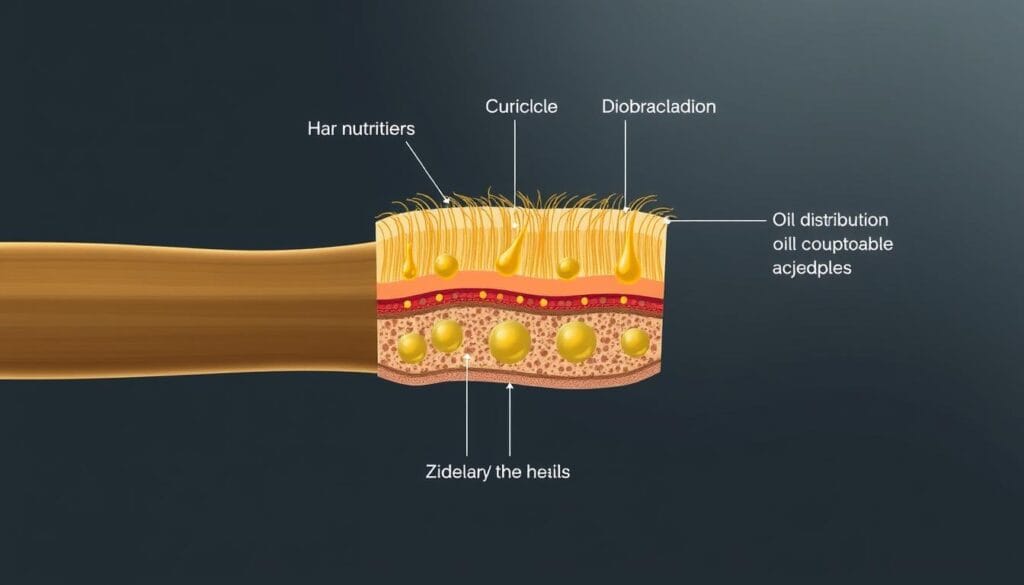
Hair health begins at the molecular level. Oils work by filling gaps in the hair shaft’s outer layer, called the cuticle. This creates a protective seal that locks in moisture and prevents protein loss. Thinner oils like argan penetrate faster, while denser formulas like coconut oil form lasting barriers.
From Surface to Scalp: How Nutrients Travel
Argan oil contains oleic acid, which binds to keratin in the shaft. Research shows this strengthens strands by up to 34% when used weekly. For coarse types, coconut oil’s lauric acid integrates into the hair’s cortex, reducing breakage during styling.
Your scalp absorbs oils through hair follicles and sebaceous glands. A 2022 study found regular routine applications increase blood flow by 18%, delivering oxygen to roots. This process activates dormant follicles, promoting thicker growth over time.
Balanced health relies on three factors:
- Particle size: Lighter oils (jojoba, argan) absorb quickly for fine textures.
- Fatty acid profile: Linoleic acid in almond oil reduces scalp inflammation.
- Frequency: Overuse can clog pores, while sparse applications limit benefits.
“Consistency matters more than quantity,” notes Dr. Elena Torres, a trichologist. Her clinical trials reveal participants using argan oil twice weekly saw 22% less split ends within eight weeks. Pairing the right type with your routine creates lasting health improvements from root to tip.
Effective Pre-Shampoo Oiling Techniques
The warmth of oil between your palms signals the start of a ritual that transforms ordinary hair care into a spa-like experience. Pre-shampoo treatments create a bridge between nourishment and cleansing, allowing strands to absorb nutrients before washing.
Preparation and Warm-Up Tips for Better Absorption
Begin with room-temperature hair oils in a glass bowl. Place it in warm water for 2-3 minutes—never microwave. Heat opens the hair cuticle, letting oils penetrate deeper. Test the temperature on your wrist first.
Divide dry hair into four sections using clips. This ensures even coverage from roots to ends. Focus on mid-lengths and tips where damage often occurs. “Sectioning prevents uneven application,” notes a 2023 Journal of Cosmetic Science study.
Application Methods and Time Recommendations
Massage oil into your scalp with fingertips using clockwise circles. Work downward through each section. Leave it on for 30 minutes to overnight—longer sessions suit extremely dry textures.
Rinse thoroughly with a sulfate-free shampoo. High-quality hair oils like cold-pressed argan leave no residue when washed properly. For best results, repeat this step in your hair care routine every 5-7 days.
Those with color-treated strands benefit from shorter 15-minute sessions. A recent trichology report found warm oil treatments increase moisture retention by 41% compared to cold applications.
Integrating Oiling into Your Hair Care Routine
Think of your hair care routine as a symphony—each step plays a crucial role in harmony. Regular oil scalp treatments act like the steady rhythm that keeps everything balanced. Consistency turns sporadic efforts into lasting results, transforming dry strands into healthy hair over time.
Scheduling Your Oil Treatments
Choose specific days to anchor your regimen. Sunday evenings or Wednesday mornings work well for weekly sessions. Almond oil shines here—its vitamin E content nourishes without clogging pores, making it ideal for most hair types.
Adjust timing based on texture:
| Hair Type | Frequency | Recommended Oil |
|---|---|---|
| Fine | Every 4 days | Jojoba |
| Thick | 1x/week | Coconut |
| Curly | 2x/week | Almond |
| Oily Scalp | Every 10 days | Argan |
Set phone reminders if schedules shift. Evening routines let oils absorb overnight. Morning applications? Limit to 30 minutes before washing.
Curly textures thrive with biweekly oil scalp massages using almond oil. Straight strands often prefer lighter formulas. “Frequency matters, but so does listening to your scalp’s signals,” advises a 2023 dermatology review.
Stick to your plan for 6-8 weeks before assessing changes. Gradual improvements in shine and strength confirm your rhythm works. Miss a session? Simply resume—regularity builds resilience more than perfection.
Practical Tips and Tricks for Maximizing Oiling Results
Unlocking your hair’s full potential starts with technique. While choosing quality oils matters, how you apply them determines whether nutrients reach their destination. Let’s refine your approach for deeper nourishment and visible improvements.
Scalp Massage Techniques for Enhanced Blood Circulation
Use your fingertips—not nails—to create gentle circular motions. Start at the temples and move toward the crown, applying light pressure. This stimulates blood flow, helping oils penetrate hair follicles more effectively.
Focus on pressure points behind the ears and along the hairline. A 2023 study found this method increases nutrient absorption by 27% compared to haphazard application. Spend 5-7 minutes massaging to activate circulation without causing irritation.
Enhancing Benefits with Essential Oil Additives
Boost your base oil with 2-3 drops of rosemary or peppermint essential oil. These additives amplify hydration while addressing specific concerns—rosemary strengthens ends, while peppermint cools oily scalps. “Synergy between carrier and essential oils creates targeted solutions,” notes a dermatologist.
Apply blended formulas primarily to mid-lengths and ends if you have oily hair near the roots. For dry textures, distribute evenly from scalp to tips. Always patch-test new mixes first.
Integrate these steps into your care routine seamlessly:
- Pre-shampoo: Massage oil 20 minutes before washing
- Overnight: Apply to ends and secure with a silk scarf
- Quick fix: Dab jojoba oil on split ends between washes
Consistency transforms ordinary oiling into a growth catalyst. Small adjustments—like warming oils or adding herbs—elevate results dramatically. Your care routine becomes a customized ritual that adapts as your hair evolves.
Adapting Your Oiling Routine for Seasons and Hair Needs
Your hair’s needs shift like the seasons—what works in summer may falter in winter. Humidity, temperature swings, and pollution levels all demand flexibility. A static routine risks damage from environmental stressors, making adjustments essential for maintaining vibrant strands.
Adjusting Your Frequency with Environmental Changes
Dry winter air calls for richer oils like almond to prevent breakage. Its vitamin E content combats static and split ends. In humid summers, switch to lighter jojoba oil to avoid greasiness while controlling frizz.
Pollution-heavy urban areas require weekly protective treatments. Oils create a barrier against toxins that weaken strands. For coastal climates, saltwater exposure means increasing hydration—apply oil before beach outings to shield types prone to dryness.
| Season | Oil Choice | Frequency |
|---|---|---|
| Winter | Almond | 2x/week |
| Summer | Grapeseed | Every 5 days |
| Monsoon | Argan | 1x/week |
Fine types thrive with biweekly applications in dry climates. Coarse textures? Monthly deep treatments with warmed coconut oil prevent damage. Always check for brittleness or excess oiliness—these signs dictate when to tweak your schedule.
“Your hair speaks through its texture,” notes a 2023 scalp health study. Track changes monthly. If frizz spikes or breakage worsens, recalibrate your oiling rhythm to match nature’s demands.
Conclusion
Your journey to stronger strands begins with understanding—not rigid rules. Tailor oiling frequency to your texture, climate, and goals. Lightweight formulas work wonders for fine hair, while richer blends nourish coarse types deeply.
Regular scalp massages boost circulation, delivering oxygen to follicles. This simple act activates growth while reducing brittleness. Pair it with nutrient-rich oils like almond or argan, packed with vitamin E, to fortify strands from root to tip.
Integrate oiling into your styling routine for protection against heat and environmental stress. Pre-wash treatments or overnight masks shield ends while enhancing shine. Consistency yields results—thicker, resilient hair that resists split ends.
Adjust your approach as seasons change or needs evolve. Dry winters may call for weekly sessions, while humid summers thrive with lighter applications. Follow practical tips like warming oils or adding rosemary extract for targeted benefits.
Experiment freely. Every head of hair responds uniquely to care. Discover blends and rhythms that align with your lifestyle, celebrating progress over perfection. Your locks deserve nothing less than personalized, joyful nourishment.
FAQ
How long should I wait before washing out hair oil?
Let oils sit for at least 30 minutes to penetrate hair deeply. For intense repair, leave on overnight. Avoid exceeding 8–10 hours, as buildup can attract dirt and weaken strands.
Are essential oils safe for direct scalp application?
Always dilute potent essential oils (e.g., rosemary, peppermint) with carrier oils like jojoba. Undiluted versions can irritate the scalp. Patch-test first to ensure compatibility with your hair type.
Can oils replace conditioner in my hair care routine?
Oils add nourishment but don’t fully replace conditioner, which smooths the cuticle. For best results, apply oil pre-shampoo and follow with conditioner to lock in moisture and manageability.
Should I adjust my oiling routine seasonally?
Yes. Cold weather demands heavier oils like coconut oil for hydration, while lightweight options like grapeseed oil work better in humidity. Adapt based on environmental changes to maintain hair health.
Does scalp massage improve hair growth?
Absolutely. Massaging boosts blood circulation, delivering nutrients to follicles. Use fingertips in circular motions for 5–10 minutes during oiling to enhance absorption and stimulate healthy hair growth.
How do I choose the best oil for my scalp?
Match oils to your hair type and concerns. Coconut oil suits dry scalps, while argan oil balances oily ones. For dandruff, try tea tree oil. Test small amounts first to avoid irritation.
Can I leave oil in my hair overnight?
For dry hair types, overnight oiling boosts moisture retention. However, those with oily hair should limit it to 1–2 hours to avoid clogging pores. Always use lightweight oils like almond oil for fine textures.
Does oiling hair prevent breakage and split ends?
Yes! Oils like argan oil and coconut oil create a protective layer around the hair shaft, reducing friction and environmental damage. Regular use strengthens strands, minimizes frizz, and prevents split ends.
