
Have you ever stared at the mirror, frustrated by split ends that seem to sabotage your progress? You’re not alone. Many of us pour time and care into our routines, only to feel stuck in a cycle of breakage and uneven lengths. But what if the secret to longer, fuller strands isn’t just about what you add to your routine—it’s about what you remove?
Think of your strands like a delicate fabric. Split ends fray upward, weakening the entire structure over time. Trimming those damaged tips isn’t about speeding up growth—it’s about preserving what you’ve already nurtured. Healthy ends mean fewer tangles, less breakage, and hair that looks thicker as it grows.
Science backs this up: the visible part of your strands is technically “dead” keratin. While growth starts at the roots, maintaining those ends determines whether your progress stays intact. Regular maintenance prevents minor splits from becoming major setbacks, letting you retain length while keeping your style fresh — which is why knowing how often to trim hair for maximum growth is key to protecting the healthy length you’ve already earned.
Table of Contents
Key Takeaways
- Trimming removes damage that causes breakage, helping hair retain length over time
- Focus on scalp health for growth, but prioritize ends for visible results
- Frequency depends on your hair type, styling habits, and damage levels
- Well-timed trims create the illusion of fuller, more vibrant strands
- Consistent care prevents small splits from compromising entire strands
Understanding Hair Growth and the Impact of Trims
Your strands grow through three distinct phases, whether you notice it or not. The anagen (growth) phase lasts 2-7 years, pushing hair upward from the follicle. Next comes catagen—a brief transition period—before strands enter telogen, where they rest before shedding.
Why Growth Cycles Demand Attention
While roots dictate new growth, ends determine retention. Split ends act like cracks in glass—once they form, they spread upward. “Ignoring them is like letting a loose thread unravel a sweater,” explains stylist Barbara Eisenberg. Regular removal of damaged tips stops splits from compromising healthy sections.
When Ends Become Enemies
Frayed ends snag on neighboring strands during brushing, causing tangles and breakage. This creates a cycle: damage begets more damage. Well-maintained ends:
- Reflect light better for shinier locks
- Withstand daily styling stress
- Maintain consistent length between trims
Chemical treatments and heat tools accelerate splitting. Using protective serums helps, but only cutting removes existing damage. Think of trims as strategic edits—removing the weakest links lets your strongest strands thrive.
How Often to Trim Hair for Maximum Growth
Your strands follow a biological clock that determines their resilience. While follicles work 24/7 to push out new growth, the visible length faces daily wear. This disconnect means retention depends on strategic maintenance rather than constant cutting.
Science-Backed Scheduling
Studies show most scalps produce 0.3-0.5 mm of hair daily. But environmental factors alter damage rates:
- Heat styling accelerates splitting by 40%
- Chemical treatments double breakage risk
- Humidity increases tangling in textured strands
| Hair Type | Low Damage | High Damage |
|---|---|---|
| Straight | 10-12 weeks | 8 weeks |
| Wavy | 9-11 weeks | 7 weeks |
| Curly | 12-14 weeks | 10 weeks |
Follicles operate independently of your scissors—they can’t “sense” trimmed ends. However, removing splits prevents mechanical damage from traveling upward. Dermatologist Dr. Lisa Rhodes notes: “Six-week intervals work for frequent stylers, while natural hair often thrives with quarterly trims.”
Calculate your ideal schedule:
- Measure new growth monthly at the crown
- Note where splits typically form
- Subtract 2 weeks from that timeline
“Consistency beats frequency. Well-timed snips preserve more length than drastic cuts.”- Journal of Cosmetic Science, 2023
Identifying Signs You Need a Hair Trim
Your hair whispers secrets when it needs attention—split ends and flyaways aren’t just bad hair days. These subtle cues reveal hidden damage threatening your length retention. Catching them early means preserving months of growth with minimal intervention.
Recognizing Split Ends and Breakage
Frayed ends resemble tiny tree branches under bright light. They snag on fabrics and split further with every brushstroke. Dryness that resists conditioner signals structural weakness, while sudden halo frizz suggests splits lifting cuticles.
Strands that tangle faster than usual often have compromised ends. If ponytails feel thinner or styles lose shape quickly, damage has likely crept upward. “Once splits pass the two-inch mark, they jeopardize healthy sections,” warns stylist Marissa Cho.
Regular trims act like reset buttons. They:
- Remove weak points before they multiply
- Restore blunt edges that reflect light
- Prevent forced detangling that causes breakage
Schedule a salon visit when 30% of ends feel rough. For color-treated hair, monitor faded tones—bleached strands show damage faster. Keep scissors handy for between-visit dustings: pinch small sections and snip only what resembles confetti.
Customizing Your Trim Frequency by Hair Type
Your strands’ natural pattern and history with chemicals dictate their survival toolkit. What keeps straight hair sleek might leave curls parched, while vibrant color jobs demand extra vigilance. Tailoring your approach preserves length without sacrificing health.
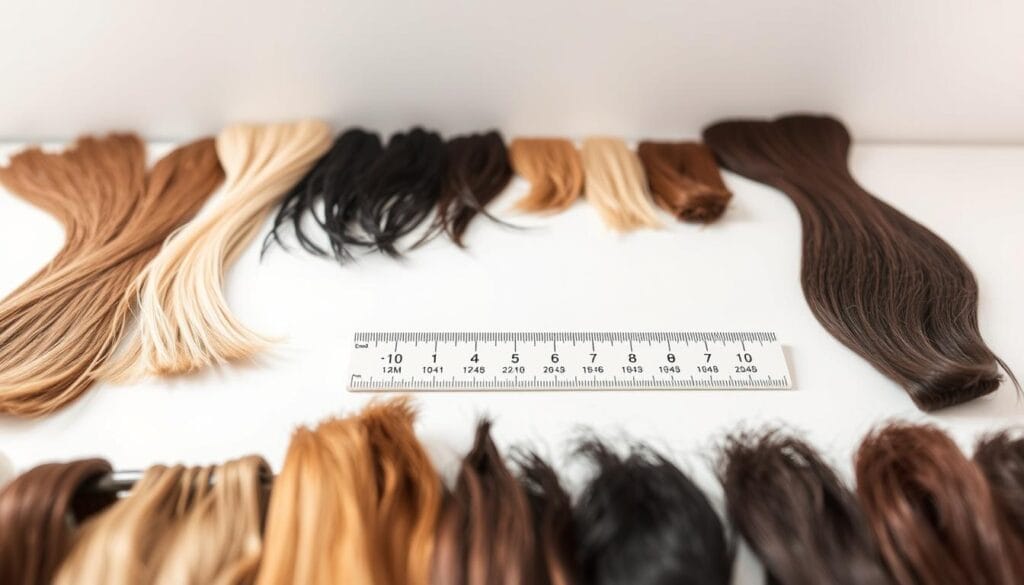
Trimming Needs for Straight, Wavy, and Curly Locks
Straight hair shows splits instantly but grows downward smoothly. Every 10-12 weeks maintains sharp ends. Wavy textures benefit from 8-10 week intervals—their bends create friction points. Curly coils thrive with 12-14 week trims, as spirals hide damage but need moisture retention.
- Fine straight strands: Dust 1/4″ monthly to prevent see-through ends
- Thick waves: Remove 1/2″ quarterly to balance shape
- Tight curls: “Search-and-destroy” splits between salon visits
Considerations for Color-Treated and Chemically Processed Hair
Bleach alters your hair’s protein structure, making ends brittle. Stylist Jordan Lee advises: “Add 2-3 extra trims annually if you lighten your locks. Demi-permanent color? Stick to your texture’s baseline.”
Relaxers and perms weaken bonds over time. Schedule trims 1-2 weeks before chemical services to remove compromised ends. Short styles with layers need more frequent shaping—every 6 weeks keeps pixie cuts crisp.
“Processed hair has a memory. Regular trims reset its ability to hold style and color.”- International Journal of Trichology
Expert Recommendations and Professional Insights
Ever wonder why some people maintain flawless ends while others battle constant breakage? The difference often lies in partnering with skilled stylists who understand your hair’s unique needs. Professionals spot hidden damage and create personalized plans that balance growth goals with your lifestyle.
What Top Stylists Suggest for Optimal Hair Maintenance
Celebrity stylist Barbara Eisenberg emphasizes consistency: “Schedule trims before splits become visible. Removing just ¼ inch every 10 weeks preserves your length better than waiting for damage.” Her approach prevents the “chop-and-regret” cycle many experience.
A precision haircut does more than remove splits—it maintains your style’s shape as it grows. Textured lobs need different care than blunt bobs, and experts adjust techniques accordingly. Pairing salon visits with quality products amplifies results. Thermal protectants and bond-building treatments help ends withstand daily stress.
“Your bathroom mirror shows the front view—we assess all angles. What you think is ½ inch of damage might be three inches on the underside.”- Jordan Lee, Master Stylist
Book appointments during seasonal changes when styles often shift. Bring inspiration photos but remain open to adjustments based on your hair’s current state. For color-treated locks, combine gloss treatments with trims to maintain vibrant, healthy-looking length.
Integrating Products and Supplements for Healthier Hair
While scissors shape your ends, nourishing products build resilience from root to tip. The right formulas act like invisible armor, shielding your hair shaft from daily stressors that lead to splits. This proactive approach lets you keep hair strong between salon visits while supporting even growth patterns.
Strategic Product Pairings for Lasting Results
Apply argan oil or silicone-free serums within 30 minutes of a trim. These create a protective seal over freshly cut ends, locking in moisture and preventing fraying. Focus on the last two inches where damage typically starts.
Leave-in conditioners reduce friction during brushing by up to 60%, according to 2023 trichology studies. Lightweight formulas work best for fine strands, while thicker textures benefit from creamy options. For color-treated hair, seek UV-blocking ingredients to prevent fading.
- Repair split ends temporarily with protein-rich sprays
- Detangle starting from the bottom to minimize breakage
- Use thermal protectants before any heat styling
“Products can’t mend existing splits, but they significantly delay new damage when used consistently.”- Journal of Cosmetic Dermatology
Rotate between hydrating and strengthening products weekly. This prevents product buildup while addressing multiple needs. Those stretching their time trim intervals should incorporate bond-repair treatments to maintain the shaft’s structural integrity.
Home Hair Care Tips to Maintain Ideal Hair Length
Your daily rituals determine whether your strands thrive or merely survive between salon visits. Simple adjustments to your routine create a protective shield against damage, letting you preserve length while reducing the need for drastic cuts. Consistency here matters more than complexity—think prevention over repair.
Daily Care Practices and Preventing Heat Damage
Start with a wide-tooth comb on damp hair—forcing knots apart with brushes shreds cuticles. Follow with leave-in conditioner, focusing on ends where splits begin. At night, secure loose braids or use silk pillowcases to minimize friction that weakens strands.
Heat tools remain a top culprit for damage. When styling, keep irons below 350°F and always apply thermal protectants. A 2023 Journal of Cosmetic Science study found these products reduce breakage by 67% when used correctly. For air-drying fans: microplush towels prevent the tugging caused by rough terrycloth.
Deep condition weekly with masks containing hydrolyzed proteins. These fill microscopic cracks in the hair shaft, delaying the point where people need frequent trims. Rotate between moisturizing and strengthening formulas to address multiple concerns.
“Proper maintenance isn’t about avoiding damage entirely—it’s about managing wear so your stylist removes less each visit.”- International Haircare Association
Notice more tangles than usual? That’s your cue to increase hydration. People who master these habits often trim hair less while maintaining visibly healthier ends. Track progress by photographing your lengths monthly—you’ll see fewer splits and more consistent texture.
Debunking Common Hair Trimming Myths
Myths about hair care spread faster than split ends in a dry climate. Let’s separate salon facts from bathroom mirror fiction. You’ve likely heard claims that cutting trim hair magically accelerates growth—but science tells a different story.
Myth: “Frequent trims make hair grow faster.”
Fact: Growth occurs at the scalp. Trimming dead ends doesn’t affect follicles. A 2023 trichology study confirms: “Hair grows ½ inch monthly regardless of cuts. Retention creates the illusion of speed.”
Another persistent belief? “Trimming makes hair thicker.” While blunt ends make hair appear fuller, strands don’t gain density. Celebrity stylist Andre Walker clarifies: “You’re removing tapered tips, not altering strand count. Healthy ends reflect light better—that’s the visual trick.”
Why do frequent trims matter then? They:
- Stop splits from climbing up the shaft
- Reduce breakage during styling
- Maintain your style’s shape as it grows
Those who often trim aren’t chasing growth—they’re preserving progress. Split ends act like zippers, unraveling strands from the bottom up. Regular ¼-inch snips keep damage in check without sacrificing length.
“Trimming is damage control, not a growth hack. Well-maintained ends let your natural growth rate shine.”- International Society of Hair Restoration Surgery
Focus on retention over radical cuts. Your strands can’t outrun scissors, but smart maintenance helps them reach their full potential. Keep ends sealed with hydrating masks, and watch your true growth unfold.
Creating a Personalized Hair Maintenance Routine
Your hair journey is as unique as your fingerprint—no single routine fits all. Start by evaluating your strands’ current state: note areas prone to breakage, existing damage, and growth patterns. Lifestyle factors like workout frequency, styling habits, and sleep quality also shape your approach.
Merging Professional Care with Daily Practices
Pair salon expertise with smart home habits. Schedule cutting appointments based on your hair’s resilience—every 8 weeks for heat-treated strands, 12 weeks for natural textures. Between visits:
- Apply leave-in conditioners to prevent split ends
- Detangle gently using wide-tooth combs
- Sleep on silk to reduce friction-induced damage
| Lifestyle | Salon Strategy | Home Care Focus |
|---|---|---|
| Busy Professionals | Express dustings every 10 weeks | Dry shampoo + overnight masks |
| Frequent Stylers | 6-week shape maintenance | Thermal protectant sprays |
| Low-Maintenance | Seasonal trims | Weekly deep conditioning |
Track progress monthly with length-check photos. Notice increased breakage? Adjust your cutting schedule or hydration routine. Curly textures might need more moisture during humid months, while color-treated locks require extra protein treatments.
“Custom routines thrive on flexibility. What works during summer might fail in winter—stay observant.”- Lila Torres, Salon Owner
Consistency matters more than perfection. Those who adapt their care to life’s changes see better retention and healthier hair grow over time. Your ideal rhythm emerges when salon precision meets daily protection.
Conclusion
Your hair’s true potential lies in balancing care with strategic maintenance. Regular trims help preserve progress by stopping split ends from sabotaging your efforts. While growth starts at the scalp, retention depends on protecting those fragile tips through consistent salon visits.
Trusted stylists do more than reshape your hair—they spot hidden damage and adjust your schedule based on heat exposure, styling habits, and texture. Factors like chemical processing or frequent blowouts may demand more frequent attention, while natural strands often thrive with seasonal adjustments.
Remember: professional trims maintain your shape while preventing split ends from spreading. Pair these visits with heat protection and targeted products to extend your style’s lifespan. Those who collaborate with their stylist see fewer drastic cuts and more retained length over time.
Ready to transform your routine? Build a personalized plan that honors your hair’s unique needs. Schedule that salon consultation, stock up on protective serums, and watch your strands flourish. Healthy ends aren’t just achievable—they’re your secret to visible, vibrant growth.
FAQ
Does trimming split ends help hair grow longer?
Trimming removes damaged ends, preventing breakage that shortens strands. While it doesn’t speed up growth at the scalp, regular trims preserve length by maintaining the integrity of the hair shaft. Healthy ends reduce tangling and minimize damage from daily styling.
What visible signs mean I need a trim?
Look for split ends, excessive tangling, or dullness. If strands feel rough or snap easily, split ends may travel up the shaft. Breakage near mid-lengths also signals it’s time to schedule a salon visit. Catching damage early helps retain more length.
How does hair texture influence trimming schedules?
Straight hair may show splits faster, needing trims every 8–10 weeks. Curly or coily textures can often wait 12–14 weeks since bends hide damage. Color-treated or chemically processed locks require more frequent trims (6–8 weeks) to address dryness and brittleness.
Can products eliminate the need for trims?
No, but hydrating serums like Olaplex No. 7 or Moroccanoil Treatment delay split ends by strengthening strands. Leave-in conditioners and heat protectants, such as Living Proof’s Perfect Hair Day, reduce friction and shield against styling tools. Consistent care extends time between cuts.
Do stylists recommend the same schedule for everyone?
Experts like Jen Atkin suggest tailoring trims to your goals and hair type. If growing out layers, 10–12 weeks maintains shape without sacrificing progress. For blunt cuts or bangs, 6–8 weeks keeps edges sharp. Discuss your routine with a trusted stylist for personalized advice.
Does cutting hair more often make it thicker?
This is a myth—trims don’t alter density or growth rate. However, removing thin, frayed ends creates a fuller appearance. Focus on scalp health with supplements like Nutrafol and gentle massages to support natural thickness from the roots.
How can I protect ends between salon visits?
Sleep on silk pillowcases to minimize friction. Avoid tight elastics that stress strands. Use wide-tooth combs on wet hair, and apply oils like Verb Ghost Oil to ends daily. Limit heat styling to 2–3 times weekly, always with a thermal protector like Bumble and bumble’s Hairdresser’s Invisible Oil.
Is there an ideal season for frequent trims?
Summer sun and chlorine increase dryness, so schedule a trim post-vacation. Winter static and hats may cause breakage—consider a mid-season cut. Adjust based on your climate and styling habits rather than sticking to rigid timelines.
Can split ends repair themselves without cutting?
Once splits occur, they can’t fully heal. Bond-building treatments like K18’s Leave-In Molecular Repair Mask temporarily mend damage but aren’t permanent fixes. Regular trims remain the only way to eliminate splits and stop them from worsening.
How do growth cycles affect trimming frequency?
Hair grows in phases—active (anagen), transition (catagen), and rest (telogen). Trimming during the anagen phase supports steady growth. Track your cycle by noting shedding patterns or consult a trichologist. Aligning trims with growth spurts maximizes retention.
