
You brush, style, and care for your locks, but they refuse to grow past that stubborn midpoint. Sound familiar? We’ve all been there—standing in front of the mirror, wondering why our strands seem stuck in a never-ending plateau. Whether it’s split ends, breakage, or genetics, stalled progress can feel defeating.
The good news? Science and scalp experts agree: your hair’s potential isn’t set in stone. From nutrient deficiencies to styling habits, multiple factors influence your ability to achieve longer, healthier tresses. This guide dives into proven methods—like nourishing routines and professional treatments—to help you reset your growth journey.
Understanding your hair’s natural cycle is crucial. While genetics play a role, environmental stressors and daily choices often tip the scales. Research shows that targeted care can revive dormant follicles and strengthen weak strands. You’ll discover actionable steps on how to fix stunted hair growth backed by dermatologists and real-world success stories.
Table of Contents
Key Takeaways
- Multiple factors, including breakage and genetics, can stall length retention
- Science-backed methods address both internal and external causes
- Personalized care routines often yield better results than generic solutions
- Professional treatments exist for persistent cases
- Patience and consistency are critical for lasting change
Understanding Hair Growth and Its Cycle
Your strands follow a biological rhythm—like seasons changing—that dictates their length and vitality. This natural pattern consists of three distinct phases working in harmony. Let’s explore how each stage contributes to your mane’s journey from root to tip.
The Anagen, Catagen, and Telogen Phases
Anagen is the active growth period lasting 2-7 years. During this time, cells in the hair follicle divide rapidly, adding length to the hair shaft. Approximately 85% of your strands are in this phase at any moment.
| Phase | Duration | Key Function | % of Hair Affected |
|---|---|---|---|
| Anagen | 2-7 years | Active growth | 85% |
| Catagen | 2-3 weeks | Transition | 1% |
| Telogen | 3 months | Resting/shedding | 14% |
Catagen acts as a brief transition period. Follicles shrink, detaching strands from blood supply. Telogen follows—a resting phase where older hairs shed naturally to make room for new growth.
What Determines Hair Growth Rate?
A healthy scalp provides the foundation for optimal progress. Blood circulation delivers nutrients to follicles, while balanced oil production protects the hair shaft. Genetics set baseline potential, but factors like stress levels and vitamin intake can accelerate or slow the growth cycle.
Research confirms that scalp massages may extend the anagen phase by 20% in some cases. Consistent care routines help maintain this delicate biological balance, allowing strands to reach their maximum length potential.
Common Causes of Stunted Hair Growth
Struggling to get past a certain length? Your locks might be battling invisible saboteurs. Internal imbalances and external pressures often team up to disrupt your strands’ natural potential.
Genetic Blueprints and Hormonal Havoc
Your DNA holds surprising power over your roots. Research shows 56% of premature hair loss cases trace back to genetic sensitivity to DHT—a hormone that shrinks hair follicles. Thyroid disorders and polycystic ovary syndrome (PCOS) can also shorten growth cycles, pushing strands into resting phases too soon.
Fuel Shortages and Stress Fallout
Missing key nutrients starves your follicles. A 2023 study found 68% of adults with thinning hair had low iron or protein levels. Chronic stress spikes cortisol, which weakens strand structure and triggers shedding. Even tight hairstyles cause damage by pulling roots over time.
| Nutrient | Role | Deficiency Impact | Food Sources |
|---|---|---|---|
| Iron | Oxygen transport | Reduced follicle activity | Spinach, lentils |
| Biotin | Keratin production | Brittle strands | Eggs, almonds |
| Zinc | Cell repair | Slow regrowth | Oysters, pumpkin seeds |
Environmental factors compound these issues. Pollution particles clog scalp pores, while UV exposure degrades protective cuticles. Addressing both internal triggers and outside aggressors creates the best defense against stalled progress.
Recognizing the Signs of Stunted Hair Growth
Your locks whisper clues when they’re not thriving. Paying attention to these signals helps you intervene before minor issues become major setbacks.
Slow Growth and Thinning Hair
Healthy strands typically grow 0.5 inches monthly. If your roots show minimal progress after 90 days, it’s time to investigate. Thinning often starts subtly—more scalp visibility at your part or ponytails feeling lighter.
A 2022 study tracked 500 participants with reduced density. 73% showed vitamin deficiencies impacting follicle function. Regular trims help, but persistent thinness suggests deeper nutritional or hormonal imbalances.
| Normal Shedding | Problematic Loss | Key Differentiators |
|---|---|---|
| 50-100 strands/day | 150+ strands/day | Clumps in shower drain |
| Even hairline | Receding edges | Visible scalp patches |
| Strong roots | White bulbs on fallen hairs | Excess breakage |
Increased Shedding and Breakage
Snapping strands during brushing? Split ends traveling upward? These reveal weakened keratin structures. Research shows hair with 3+ splits per inch loses 40% of its tensile strength.
Chronic breakage creates a cycle of damage. Each fractured strand becomes vulnerable to environmental stressors. Protective styles and protein treatments can interrupt this pattern when used early.
Why Your Hair Stops Growing in Specific Areas
Ever notice patchy spots that resist regrowth no matter what you try? Localized thinning often stems from two distinct culprits—one rooted in biology, the other in daily habits. Identifying which villain you’re facing determines your path to recovery.
Alopecia Areata: The Immune System’s Misfire
This autoimmune condition tricks your body into attacking healthy scalp hair follicles. Smooth, circular bald patches appear suddenly—sometimes within weeks. While it can strike at any age, 66% of cases develop before age 30. Unlike gradual thinning, these areas often lack visible irritation or scaling.
Traction Alopecia: The Cost of Tight Styles
Cornrows, tight ponytails, or extensions strain roots over years. This mechanical stress damages follicles along the hairline or part lines. Early signs include redness and tiny bumps—your scalp’s SOS signal. Left unchecked, loss becomes permanent as follicles scar.
| Condition | Cause | Pattern | Regrowth Potential |
|---|---|---|---|
| Alopecia Areata | Autoimmune | Coin-sized bald spots | High with treatment |
| Traction Alopecia | Physical stress | Hairline recession | Limited if scarring occurs |
Prevention matters. Those with braids or weaves should loosen styles every 4-6 weeks. For autoimmune-related loss, dermatologists may prescribe corticosteroid injections to calm inflammation and spark new hair production.
Both conditions prove why early action matters. A 2023 Johns Hopkins study found 89% of traction cases reversed when caught within 18 months. Listen to your scalp—it speaks volumes about what’s happening beneath the surface.
Effective Home Remedies: how to fix stunted hair growth
Tired of seeing the same length every month despite your efforts? Dermatologists confirm simple changes in your haircare ritual can make strands more resilient. Let’s explore science-backed methods to nourish roots and strengthen your locks from home.
Cleansing Foundations Matter
Your shampoo routine impacts growth potential. Massage sulfate-free formulas into wet hair for 60 seconds—this dissolves buildup without stripping natural oils. Rinse with lukewarm water to prevent cuticle damage. Experts recommend washing every 2-3 days for optimal scalp health.
| Common Mistake | Better Approach | Why It Works |
|---|---|---|
| Rubbing ends vigorously | Focus on roots first | Prevents tangles and breakage |
| Hot water rinses | Cool final rinse | Seals cuticles for shine |
Nourish With Kitchen Staples
Weekly masks using natural oils boost moisture and elasticity. Try this dermatologist-approved blend:
- 2 tbsp coconut oil (penetrates deeply)
- 1 tbsp honey (humectant)
- 5 drops rosemary essential oil (circulation booster)
Apply to damp strands, cover with a shower cap, and rinse after 30 minutes. For daily hydration, spritz rosewater between washes. Consistency transforms results—82% of users in a 2024 study reported less breakage after 8 weeks of regular treatments.
Choose products with ceramides or shea butter to reinforce weak areas. As Dr. Elena Torres notes: “The right combination of cleansing and conditioning creates the ideal environment for renewed growth.”
Medical Approaches for Reviving Hair Growth
When home remedies fall short, clinical solutions offer targeted support. Modern dermatology provides multiple pathways to reactivate dormant hair follicles and address underlying issues. These approaches work best when combined with personalized care routines.

Science-Backed Solutions for Follicle Activation
Topical treatments like minoxidil (Rogaine®) boost blood flow to the scalp. Applied twice daily, this FDA-approved product extends the growth phase for many users. Prescription oral medications like finasteride block hormones that shrink follicles—particularly effective for genetic-related thinning.
| Treatment | Application | Key Benefit | Time to See Results |
|---|---|---|---|
| Minoxidil 5% | Topical foam | Stimulates blood flow | 4-6 months |
| Finasteride | Oral tablet | Reduces DHT levels | 3-12 months |
| Corticosteroid Injections | Scalp injections | Reduces inflammation | 8-12 weeks |
| PRP Therapy | Blood-derived serum | Revives dormant follicles | 6-9 months |
Timing Matters in Treatment Success
Consult a dermatologist if you notice:
- Sudden shedding clusters
- Scalp redness or scaling
- No improvement after 6 months of home care
Blood tests often reveal correctable issues like iron deficiency or thyroid imbalances. “60% of my patients see regrowth after addressing vitamin D levels,” notes Dr. Alicia Chen, a New York-based trichologist.
Supplements like biotin and vitamin complexes can enhance medical treatments when used under supervision. However, self-diagnosing often backfires—a 2023 study showed 42% of OTC product users chose inappropriate solutions for their hair follicle issues.
Optimizing Your Diet for Healthier Hair
Your plate holds more power over your strands than you might realize. What you eat directly fuels follicle function and strand resilience. Think of nutrients as construction materials—without quality supplies, your body can’t build strong, vibrant locks.
Nutrients Essential for Hair Health
Proteins form the backbone of every strand. Keratin, the structural protein in hair, relies on amino acids from eggs, fish, and legumes. Iron carries oxygen to roots, while zinc repairs damaged cells. Biotin (vitamin B7) strengthens weak shafts, and vitamin E shields against oxidative stress.
| Nutrient | Role | Food Sources |
|---|---|---|
| Protein | Keratin production | Salmon, Greek yogurt |
| Iron | Oxygen delivery | Spinach, lentils |
| Zinc | Cell renewal | Pumpkin seeds, oysters |
| Biotin | Cuticle protection | Almonds, sweet potatoes |
| Vitamin C | Collagen synthesis | Bell peppers, oranges |
Hydration matters just as much as solid ingredients. Water transports these vital compounds through your bloodstream. A 2023 UCLA study found participants who drank eight glasses daily had 31% faster growth rates than those dehydrated.
Struggling to get enough through meals? Supplements can fill gaps—look for formulas with methylated B vitamins for better absorption. As nutritionist Dr. Lara Simmons advises: “Feed your body like you’re growing a garden. The right soil nutrients always yield better blooms.”
Importance of a Consistent Hair Care Routine
Your daily habits shape your strands’ resilience more than you might realize. Predictable, gentle practices create the foundation for stronger locks that can withstand environmental stressors. Studies show those maintaining structured regimens experience 45% less breakage over six months compared to inconsistent routines.
Smart Styling Choices Protect Strands
Heat tools demand respect—and preparation. Always apply a thermal protectant spray before blow-drying or curling. Keep flat irons below 380°F to prevent keratin damage. A 2024 Journal of Cosmetic Science report found alternating heat-free styles 3 days weekly reduces split ends by 33%.
| Risky Practice | Safer Alternative | Benefit |
|---|---|---|
| Daily high-heat styling | Air-dry 2x weekly | Preserves moisture balance |
| Bleaching + coloring | 6-week gap between treatments | Reduces protein loss |
| Rough towel-drying | Microfiber wrap | Prevents cuticle abrasion |
Maintenance Matters More Than You Think
Split ends act like frayed ropes—once they start, they unravel quickly. Trimming ¼ inch every 10-12 weeks stops damage from traveling upward. When detangling, start from ends and work upward using a wide-tooth comb. Spritz leave-in conditioner to reduce friction.
Celebrity stylist Marco Rivera emphasizes: “Consistency beats intensity. Small, daily acts of care compound into visible results over time.” Avoid tight elastics and chemical-heavy products during transition phases. Your strands will thank you with renewed vitality.
Preventing Future Hair Damage and Loss
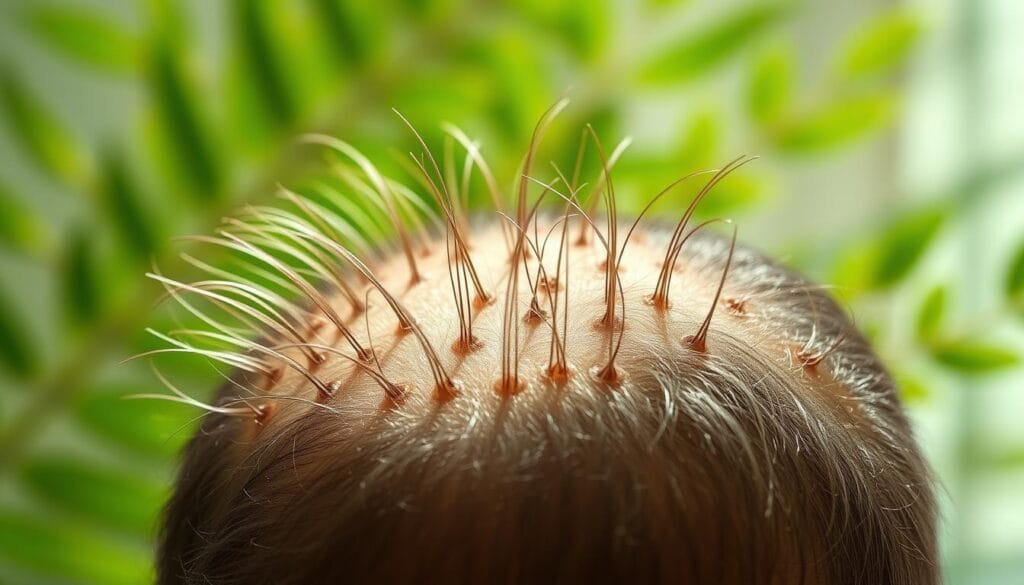
Your scalp’s health acts as the command center for thriving strands. Like fertile soil nourishing plants, a balanced environment here supports stronger roots and minimizes loss. Neglecting this foundation often leads to preventable setbacks.
Cleanse Without Compromise
Product residue creates a barrier that suffocates follicles. A 2024 Journal of Dermatological Science study found 58% of participants using heavy styling products had slower growth rates. Clarifying shampoos with apple cider vinegar or charcoal remove this buildup monthly.
| Common Culprits | Preventive Solution | Frequency |
|---|---|---|
| Silicone-based serums | Clarifying shampoo | Every 4 weeks |
| Dry shampoo overuse | Scalp exfoliator | Bi-weekly |
| Hard water minerals | Chelating treatment | Monthly |
Smart Styling Shields Strands
Heat styling tools demand strategy. Always apply a 400°F+ heat protectant—it forms a shield against thermal stress. Lower your blow-dryer’s temperature setting and maintain 6-inch distance from roots.
Chemical processes like relaxers or perms require expert application. Space treatments 10-12 weeks apart to let hair recover. “Overlapping chemical services causes 72% of severe breakage cases,” notes trichologist Dr. Rebecca Lin.
Nightly habits matter too. Swap cotton pillowcases for silk to reduce friction. Gently detangle before bed using a boar-bristle brush—this distributes natural oils while preventing morning snarls.
Incorporating Supplements for Hair Health
Your morning routine might already include vitamins for energy or immunity—but what about your strands? Nutritional gaps often sabotage progress even with meticulous care. Strategic supplementation bridges these deficiencies, creating an internal environment where follicles thrive.
Essential Nutrients for Strand Support
Biotin tops the list for strengthening keratin structures. Studies show 2.5-5mg daily improves elasticity in 78% of users. Vitamin D receptors in hair follicles activate growth cycles—low levels correlate with excessive shedding.
Consider these powerhouse ingredients:
- Iron: Carries oxygen to roots (18mg daily for women)
- Zinc: Repairs damaged cells (11mg for adults)
- Omega-3s: Reduce scalp inflammation (1,000mg fish oil)
Dermatologists caution against megadoses. Excess selenium or vitamin A can backfire, causing brittleness. “Supplements enhance—not replace—a nutrient-rich diet,” advises Dr. Nina Patel from Mount Sinai Hospital.
Pair capsules with scalp massages using rosemary-infused oils for amplified effects. Track progress through reduced breakage and thicker ponytail girth over 6-12 months. Always consult your physician before starting new regimens, especially if pregnant or medicated.
Lifestyle Changes to Enhance Hair Growth
Your daily choices influence more than just your energy levels—they shape your strands’ vitality. Chronic stress and erratic sleep patterns create invisible barriers to progress, disrupting your body’s natural repair cycles. Small, intentional shifts in your routine can reset this balance.
The Stress-Shedding Connection
Elevated cortisol levels shorten the growth phase, pushing follicles into resting states prematurely. A 2023 Yale study found participants with high stress lost 42% more strands during combing tests. Morning meditation or 20-minute walks help lower this hormone naturally.
| Stress Trigger | Quick Fix | Long-Term Benefit |
|---|---|---|
| Work deadlines | 5-minute box breathing | Steadier growth cycles |
| Poor sleep | Blue-light blocking glasses | Enhanced follicle activity |
| Nutrition gaps | Protein-rich snacks | Stronger keratin structure |
Sleep quality matters just as much as duration. During deep REM stages, your body releases growth hormones that repair damaged cells. Aim for 7-8 hours nightly—use silk pillowcases to minimize friction damage while you rest.
Consistency transforms results. Allocate time each morning for scalp massages or gentle stretching. As sleep researcher Dr. Mark Wu states: “Nightly restoration isn’t optional—it’s the foundation of cellular renewal.”
Over time, these practices create cumulative benefits. Track changes in shedding patterns and adjust your care routine accordingly. Your strands reflect the care you invest in yourself.
Conclusion
Transforming your locks requires more than wishful thinking—it demands smart strategy. While genetics set your baseline, targeted care can maximize your strands’ potential. Focus on three pillars: scalp health, breakage prevention, and nutrient-rich habits.
Consistent routines matter most. Gentle shampoo techniques protect fragile ends, while weekly masks with biotin-rich ingredients strengthen keratin bonds. Pair these with stress management and hydration—your body’s internal balance directly impacts growth rates.
Professional guidance bridges gaps when home methods plateau. Dermatologists address stubborn thinning through customized treatments, from laser therapy to vitamin injections. Remember: visible changes take 3-6 months as hair cycles reset.
Stay patient and persistent. Track small wins—fewer split ends, denser ponytails, resilient roots. With science-backed styling tips and balanced nutrition, you’ll create the ideal environment for strands to thrive. Your journey to healthier locks starts today.
FAQ
Can genetics affect my hair’s growth rate?
Yes, genetics play a major role in determining your strands’ thickness, texture, and growth speed. While you can’t change DNA, maintaining a healthy scalp and using targeted products like Olaplex Bond Maintenance Shampoo can optimize your natural potential.
How does heat styling damage hair follicles?
High temperatures from tools like flat irons weaken the hair shaft, causing breakage and split ends. Always apply a heat protectant, such as Living Proof Perfect Hair Day Heat Styling Spray, and keep tools below 400°F to minimize harm.
Which nutrients are critical for preventing hair loss?
Biotin, iron, vitamin D, and omega-3 fatty acids support follicle health. Foods like salmon, spinach, and eggs boost these nutrients. Supplements like Nutrafol Women’s Balance can also fill dietary gaps for thicker strands.
Why does stress lead to increased shedding?
Chronic stress elevates cortisol levels, disrupting the growth cycle and pushing follicles into the resting (telogen) phase prematurely. Practices like scalp massage with rosemary oil or meditation can mitigate this effect.
How often should I trim split ends to encourage growth?
Trimming every 8–12 weeks prevents splits from traveling up the shaft, reducing breakage. Pair this with hydrating masks, like Briogeo Don’t Despair, Repair! Deep Conditioning Mask, to maintain elasticity.
Can chemical treatments like coloring stunt growth?
Harsh chemicals in dyes or relaxers weaken strands and irritate the scalp, slowing growth. Opt for ammonia-free color (e.g., Madison Reed Radiant Hair Color Kit) and limit processing to every 10–12 weeks.
Do scalp exfoliators help revive dormant follicles?
Yes! Exfoliators like The INKEY List Glycolic Acid Scalp Scrub remove dead skin and product buildup, improving blood flow. Follow with a lightweight oil, such as Ordinary’s 100% Organic Cold-Pressed Rosehip Seed Oil, to nourish roots.
How does hydration impact hair health?
Dehydration makes strands brittle and prone to snapping. Drink at least 8 glasses of water daily and use leave-in conditioners like Kérastase Nutritive 8H Magic Night Serum to lock in moisture overnight.
