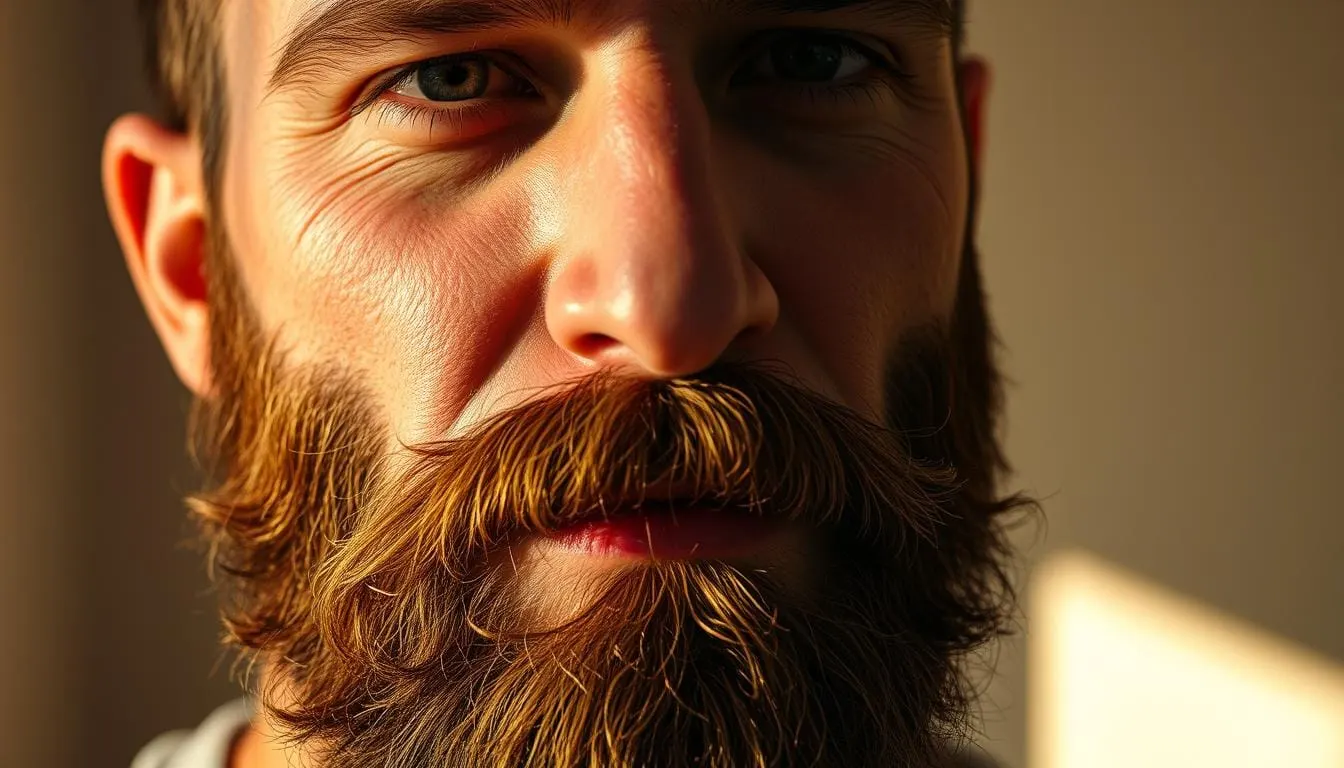
Ever catch yourself glancing in the mirror, wishing your beard looked thicker or filled in faster? You’re not alone. For many men, achieving a full, well-defined beard feels like a waiting game—one where genetics holds most of the cards. But here’s the truth: your daily habits and choices can shape the outcome.
While your DNA sets the baseline for beard potential, factors like hormone balance, skincare routines, and nutrition play critical roles. Research shows that optimizing testosterone levels and supporting hair follicles through targeted care can create a healthier environment for growth. This guide focuses on science-backed strategies to help you work with your body, not against it.
You’ll discover natural methods to enhance thickness, dietary tweaks to fuel follicle health, and grooming practices that avoid damaging delicate facial hair. We’ve also included insights on how stress management and sleep quality impact hormone production—key drivers for achieving visible results and understanding how to promote facial hair growth the right way.
Table of Contents
Key Takeaways
- Genetics influence beard patterns, but lifestyle adjustments can maximize growth potential.
- Testosterone levels directly affect facial hair density and speed of development.
- Proper cleansing and moisturizing routines prevent breakage and support healthier strands.
- Nutrients like biotin, zinc, and vitamin D are essential for follicle activation.
- Consistency with care habits yields better long-term results than quick fixes.
Understanding Facial Hair Growth Basics
Unlocking beard development begins with your body’s biological blueprint. While visible results take time, knowing what drives follicle activity helps you make informed choices.
Genetics and the Role of Hormones
Your DNA determines beard density and growth patterns. If relatives have patchy facial hair or slow-growing strands, you might face similar challenges. Testosterone and dihydrotestosterone (DHT) act as chemical messengers, signaling follicles to produce thicker strands during puberty and beyond.
Growth Cycles and Skin Health
Facial hair follows three phases: active growth (anagen), transition (catagen), and rest (telogen). The anagen phase typically lasts 2-4 weeks for beard strands—shorter than scalp hair cycles. Regular exfoliation removes dead skin cells that clog pores, while moisturizers prevent dryness-induced breakage.
Healthy skin maintains optimal conditions for follicles to thrive. Nutrient-rich blood flow delivers vitamins and minerals that strengthen hair shafts. Consistent care routines minimize ingrown hairs and irritation, letting your beard develop without unnecessary obstacles.
The Science Behind Beard Growth
The journey to a fuller beard starts beneath the skin, where hormones and biology collaborate. At the core of this process lies testosterone, which converts into dihydrotestosterone (DHT) through an enzyme called 5-alpha reductase. This potent hormone binds to receptors in your follicles, signaling them to enter active growth phases.
Testosterone, DHT, and Hair Follicle Activation
Though most men have comparable testosterone levels, genetic variations determine how follicles respond. Some produce more 5-alpha reductase, creating higher DHT concentrations. These elevated levels push follicles into the anagen phase longer, resulting in denser strands over time.
Your beard grows in cycles—active growth lasts weeks, followed by rest periods. Follicles don’t all sync up, which explains patchy areas during early stages. Sensitivity to DHT varies across facial regions, influenced by inherited traits. Cheeks might sprout hair slower than your jawline if those follicles have fewer receptors.
Blood flow delivers nutrients to support these cycles. Zinc and vitamin D aid hormone balance, while antioxidants protect follicles from oxidative stress. Understanding this interplay helps you focus on sustainable habits rather than chasing overnight miracles.
How to Promote Facial Hair Growth
Your daily choices directly impact strand quality and follicle vitality. While genetics set boundaries, targeted nutrition and care routines create optimal conditions for development.
Essential Nutrients for Stronger Strands
Key vitamins activate cellular processes supporting thicker beards. Vitamin A regulates oil production, while B-complex fuels keratin synthesis. Citrus and leafy greens deliver vitamin C to strengthen blood vessels feeding follicles.
| Nutrient | Food Sources | Beard Benefits |
|---|---|---|
| Vitamin D | Salmon, eggs | Hormone regulation |
| Zinc | Pumpkin seeds | Follicle repair |
| Biotin | Almonds, avocados | Shaft thickening |
Specialized beard oils with argan or jojoba base penetrate skin layers. These conditioners soften existing strands while delivering nutrients to dormant follicles. Beardalizer’s formula combines saw palmetto with vitamin E, addressing both hydration and DHT optimization.
Consistency matters more than intensity. Gentle exfoliation twice weekly prevents pore blockages. Pair this with omega-3 rich meals to reduce inflammation that stifles beard development. Over 8-12 weeks, these habits compound into visible density improvements.
Lifestyle Habits for Accelerated Beard Growth
Your beard’s appearance mirrors your daily habits more than you might realize. Small adjustments to routines can create big changes in strand density and development speed. Let’s explore practical ways to align your lifestyle with your beard goals.

Stress Reduction Techniques
Chronic stress elevates cortisol levels, which disrupts testosterone production. This hormone imbalance slows beard development. Try 10-minute meditation sessions or box breathing—inhale for 4 counts, hold for 4, exhale for 6. These methods lower tension while supporting healthy hormone ratios.
Physical activity doubles as stress relief. Weight training boosts testosterone naturally, while yoga reduces muscle tension. Aim for 150 weekly minutes of moderate exercise. Pair this with omega-3 rich foods like walnuts to combat inflammation.
Importance of Sleep and Regular Exercise
During deep sleep, your body releases growth hormones that repair hair follicles. Missing 7-9 nightly hours disrupts this process. Create a dark, cool bedroom environment and avoid screens 90 minutes before bed for optimal rest.
Cardio workouts like cycling increase blood flow to facial areas. Improved circulation delivers nutrients faster, encouraging thicker strands. Combine this with zinc-packed meals—oysters or lentils—to maintain testosterone levels essential for beard density.
Consistency matters most. Track your sleep patterns and workout frequency for three weeks. Small wins compound into visible changes over time, helping you work with your genetics rather than against them.
Essential Beard Care and Grooming Regimens
A well-maintained beard doesn’t just happen—it’s built through daily care and smart grooming strategies. Proper routines prevent common issues like dryness and split ends while creating ideal conditions for denser strands to emerge.
Daily Skincare Routines and Exfoliation
Start with a gentle cleanser to remove dirt and excess oil. Massage it into damp skin using circular motions, focusing on areas beneath your beard. Pat dry with a clean towel—avoid harsh rubbing that causes irritation.
Exfoliate twice weekly with a scrub containing salicylic acid or jojoba beads. This clears dead cells that clog pores and stunt strand development. Follow with an alcohol-free toner to balance your skin’s pH levels.
Apply beard oil while your skin is slightly damp. Look for formulas with tea tree oil or cedarwood to reduce flakiness. These conditioners soften existing strands and protect against environmental damage.
Trimming and Maintenance Tips
Use sharp scissors or a quality trimmer with adjustable guards. Trim when your beard is dry—damp strands appear longer and lead to uneven cuts. Start by outlining your neckline and cheek boundaries for symmetry.
Comb through sections downward before snipping split ends. Cut at a slight angle to mimic natural growth patterns. For sparse areas, let hairs grow slightly longer to create the illusion of fullness.
Wash with sulfate-free shampoo every 2-3 days to prevent brittleness. Brands like Honest Amish combine natural oils with shea butter to nourish both skin and strands. Finish with a boar bristle brush to distribute oils evenly.
Consistent grooming habits reduce breakage and encourage uniform thickness. Over 6-8 weeks, you’ll notice fewer ingrown hairs and a healthier-looking beard that complements your facial structure.
Nutrition and Supplements for Stronger Facial Hair
Your plate holds untapped potential for transforming your beard’s density and texture. What you eat directly fuels follicle activity and strand resilience. Let’s explore how strategic food choices and targeted nutrients create optimal conditions for development.

Key Vitamins and Minerals for Hair Growth
Biotin strengthens keratin infrastructure—the protein making up 90% of beard strands. Vitamin D activates dormant follicles, while zinc regulates testosterone conversion. Iron ensures oxygen-rich blood flow to nourish hair roots.
| Nutrient | Food Sources | Role in Beard Health |
|---|---|---|
| Vitamin B7 (Biotin) | Eggs, almonds | Prevents brittle strands |
| Vitamin D3 | Mushrooms, fortified milk | Activates growth phases |
| Zinc | Oysters, chickpeas | Supports hormone balance |
| Omega-3 | Mackerel, chia seeds | Reduces follicle inflammation |
| Iron | Spinach, lentils | Boosts oxygen delivery |
Foods and Supplement Options for a Thicker Beard
Prioritize protein-rich meals with grass-fed beef or wild salmon. These provide amino acids for building robust strands. Leafy greens like kale supply vitamin C to strengthen blood vessels feeding follicles.
Consider supplements if your diet lacks variety. A quality multivitamin covers baseline needs, while specialized formulas like Beard Octane’s Growth Capsules combine saw palmetto with collagen. Always consult your doctor before starting new regimens.
Whole foods offer better nutrient absorption than pills. Pair sweet potatoes (vitamin A) with olive oil for fat-soluble uptake. For men with dietary restrictions, vegan biotin gummies can fill gaps without animal products.
Styling Advice for Patchy Beards
A patchy beard doesn’t have to limit your style options—it’s all about strategic shaping and smart grooming. With the right approach, uneven growth can transform into a signature look that complements your features.
Beard Styles That Work for Uneven Growth
Certain cuts draw attention away from sparse areas. The Goatee focuses growth around the mouth and chin, ideal for men with weaker cheek coverage. Pair it with a disconnected mustache for added definition.
Consider the Chin Strap if you have strong jawline growth but patchy cheeks. Keep it narrow (3-5mm) for a clean edge. Oval faces suit the Van Dyke, combining a pointed goatee with a detached mustache.
Tools and Techniques to Enhance Appearance
Invest in a rotary trimmer with adjustable guards. Weekly touch-ups maintain crisp lines while allowing thinner areas to catch up. Use a boar bristle brush daily to train hairs downward, creating uniform texture.
Apply lightweight beard balm to tame flyaways. For extra coverage, try a matte-colored wax that matches your natural shade. It subtly fills gaps without looking obvious.
Square faces benefit from rounded necklines, while round faces need angular edges. Always trim dry hair for accurate length assessment. Remember—patience and precision trump speed when working with uneven growth patterns.
Conclusion
Achieving your ideal beard requires both patience and strategy. While genetics influence your baseline potential, daily choices shape visible results. Testosterone levels and nutrient-rich blood flow work together to activate follicles—but only when supported by consistent care.
Your toolkit includes science-backed solutions. A healthy diet packed with zinc and vitamin D fuels strand development. Stress management preserves hormone balance, while quality sleep lets growth processes thrive. Regular grooming with quality oil prevents breakage and maintains facial skin health.
Men with patchy areas can experiment with styles that accentuate stronger growth zones. Remember—hair loss prevention starts with avoiding harsh products and protecting follicles from inflammation. Track progress monthly rather than daily for accurate assessment.
True success lies in balancing biology with effort. Nourish your body, refine your routine, and let time work its magic. With these ways to optimize natural potential, your beard journey becomes less about waiting and more about purposeful growth.
FAQ
Can genetics limit my ability to grow a full beard?
Yes, genetics heavily influence beard thickness and growth patterns. If male relatives have sparse facial hair, you may face similar challenges. Hormones like testosterone and DHT also play a role in activating follicles.
Does exercise improve facial hair growth?
Regular workouts boost blood circulation and testosterone levels, which support follicle health. Strength training and cardio can enhance nutrient delivery to skin cells, aiding thicker beard development over time.
What vitamins are essential for stronger facial hair?
Biotin (B7), vitamin D, and B12 strengthen keratin production. Iron and zinc deficiencies can slow growth—foods like spinach, eggs, and nuts or supplements like Nature’s Bounty Hair Skin & Nails help fill gaps.
Can stress cause patchy beard growth?
Chronic stress raises cortisol levels, which disrupts hormone balance and may stunt follicle activity. Meditation, sleep hygiene, and adaptogens like ashwagandha can mitigate these effects.
How does exfoliation help with beard growth?
Exfoliating removes dead skin cells and unclogs pores, allowing follicles to breathe. Use gentle scrubs like CeraVe Renewing SA Cleanser 2-3 times weekly to prevent ingrown hairs and promote healthier regrowth.
Are beard oils effective for faster growth?
Oils like Honest Amish Beard Balm hydrate skin and reduce itchiness, creating a better environment for growth. Ingredients like jojoba oil mimic natural sebum, preventing breakage and split ends.
Can minoxidil boost facial hair density?
Minoxidil (Rogaine) is FDA-approved for scalp hair loss but may stimulate dormant follicles in beards. Consult a dermatologist before using—brands like Hims offer topical solutions tailored for men.
What styles work for uneven beard growth?
Goatees, van dykes, or short stubble camouflage patchiness. Tools like Wahl Peanut Trimmer help maintain clean edges, while matte beard wax from Clubman adds texture to sparse areas.
