
Have you ever noticed how some people rave about their thicker, shinier locks during pregnancy? It’s a common observation that sparks curiosity. Many assume prenatal supplements deserve the credit, but is there truth to this belief—or is it just a myth wrapped in hope?
Pregnancy-related changes often bring unexpected surprises, including shifts in your body’s needs. These supplements are designed to support fetal development and maternal wellness, packing nutrients like folic acid, iron, and biotin. While they’re essential for expectant mothers, their reputation for boosting hair vitality has spread far beyond pregnancy.
Dermatologists like Dr. Dendy Engelman highlight that hormonal fluctuations, not just vitamins, play a role in hair changes during pregnancy. The extra shine you see might stem from elevated estrogen levels slowing natural shedding. This raises the question: can these nutrients benefit your hair if you’re not expecting?
Experts remain skeptical. Most agree that while prenatal formulas offer nutritional support, their impact on hair growth outside pregnancy isn’t proven. Instead, they emphasize balanced diets and targeted solutions for hair concerns. Let’s explore what science says—and how to make informed choices for your health and beauty goals.
Key Takeaways
- Prenatal vitamins are formulated for pregnancy health, not hair growth.
- Hormonal shifts during pregnancy may temporarily improve hair texture.
- Nutrients like biotin and folic acid support overall wellness, which can indirectly affect hair.
- No direct evidence links prenatal supplements to enhanced hair growth in non-pregnant individuals.
- Consult a healthcare provider before using prenatal vitamins for non-pregnancy purposes.
Understanding the Role of Prenatal Vitamins
Prenatal vitamins are specialized supplements designed to meet the increased nutritional demands of pregnancy. Unlike standard multivitamins, they contain higher doses of specific nutrients critical for fetal development and maternal health. Their formulation reflects guidelines from organizations like the CDC, which recommends 400 mcg of folic acid daily to prevent birth defects.
Key Nutrients and Their Functions
Folic acid stands out as the cornerstone of these supplements. It supports neural tube formation and red blood cell production. Other essential ingredients include:
- Iron (27 mg): Prevents anemia by boosting oxygen transport.
- Calcium (250–300 mg): Strengthens bones for both mother and baby.
- Vitamin D (600 IU): Enhances calcium absorption and immune function.
| Nutrient | Prenatal Vitamins | Regular Multivitamins |
|---|---|---|
| Folic Acid | 400–800 mcg | 400 mcg |
| Iron | 27 mg | 18 mg |
| Calcium | 250–300 mg | 200–250 mg |
Prenatal Vitamins and Overall Health Benefits
These supplements fill nutritional gaps that diets alone might miss during pregnancy. For example, iron supports placenta development, while B12 aids nerve function. Taking prenatal vitamins consistently can reduce risks like preterm birth and low birth weight.
While formulated for pregnancy, their balanced blend of vitamins and minerals underscores the importance of targeted nutrition. This foundation helps explain why some associate them with benefits beyond maternal health—though evidence varies.
do prenatals help with hair growth
Scroll through beauty forums or TikTok, and you’ll find countless claims about thicker locks after starting prenatal supplements. One user shared, “My nails grew faster, and my hair felt like silk within two months!” Another Instagram post with #PrenatalGlow shows before-and-after photos of visibly fuller strands. But how much of this is real—and what’s just wishful thinking?
Dermatologists caution against linking these changes solely to supplements. Dr. Michelle Henry, a New York-based skin expert, notes:
“Pregnancy hormones like estrogen prolong the hair’s growth phase, reducing shedding. This effect often gets misattributed to vitamins.”
While taking prenatal formulas may improve nutrient levels, they’re not designed to target follicles directly.
Could underlying deficiencies explain some success stories? If your diet lacks iron or biotin—common in those with thinning strands—correcting these gaps might support healthier texture. However, research shows no significant difference in hair quality between pregnant women using prenatals and those getting nutrients from food alone.
Social media trends rarely mention that postpartum shedding often reverses any perceived gains. As Dr. Henry adds, “What grows during pregnancy frequently falls out later—it’s a temporary shift, not a lasting solution.”
While some see improvements, experts stress that results vary widely. For every glowing review, there’s someone who noticed zero changes. Your best bet? Address specific nutritional needs rather than chasing viral claims.
The Science Behind Hair Growth During Pregnancy
During pregnancy, your body undergoes transformations that can turn even mundane routines into fascinating biological events. One noticeable change? The appearance of thicker, more resilient strands. But this phenomenon isn’t magic—it’s rooted in hormonal shifts and nutritional dynamics.
Hormonal Changes Impacting Hair
Estrogen levels surge during pregnancy, extending the hair growth phase (anagen) by up to 30%. This delays natural shedding, creating the illusion of fuller locks. Dr. Shani Francis, a board-certified dermatologist, explains:
“Higher estrogen slows the transition to the resting phase, so fewer strands fall out daily. It’s like hitting pause on your normal shedding cycle.”
This hormonal “pause button” resets postpartum, often causing dramatic shedding as estrogen drops. While temporary, this cycle highlights how deeply body chemistry influences your hair’s behavior.
Nutrient Deficiencies and Hair Strength
Pregnancy also increases demand for key nutrients. Iron supports blood production, while vitamins like B12 and D aid follicle function. Low iron stores can weaken strands, making them brittle or prone to breakage.
Trichologist Bridgette Hill notes: “Your body prioritizes fetal development first. If your diet lacks iron or zinc, your hair might suffer before other systems show signs.” Addressing these gaps through diet or supplements can improve texture and resilience.
However, research shows that vitamin absorption varies widely. Even with prenatal vitamins, individual results depend on genetics, existing deficiencies, and overall health. The takeaway? Hormones set the stage, but nutrition determines how well your hair performs on it.
Key Ingredients That Support Hair Health
What’s inside prenatal formulas that sparks so much interest in hair vitality? These supplements pack specific nutrients known to strengthen cellular processes—including those affecting your strands. While not designed for cosmetic purposes, certain ingredients may contribute to healthier texture when deficiencies exist.
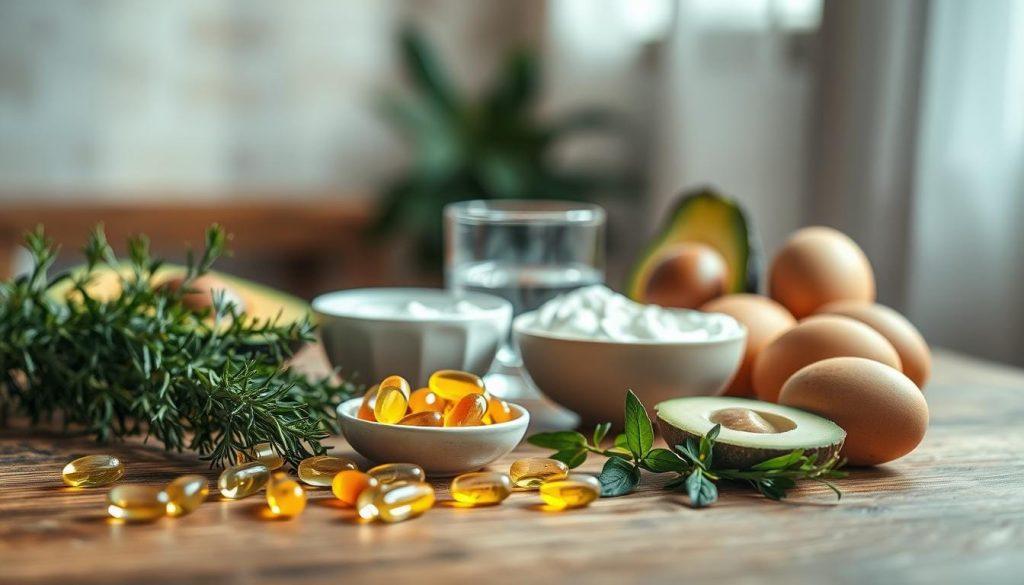
Folic Acid: Beyond Pregnancy Support
Folic acid plays a starring role in DNA synthesis and red blood cell formation—critical for both fetal development and follicle function. By aiding cell division, it supports keratin production, the protein that builds hair structure. “Low folate levels can lead to brittle strands,” notes dermatologist Dr. Hadley King. “But unless you’re deficient, extra intake won’t transform your hair.”
Iron, Vitamin D, and Biotin Synergy
Iron ensures oxygen reaches follicles, preventing thinning caused by poor circulation. Pair it with vitamin D—which activates hair growth genes—and biotin, known for strengthening keratin. Together, they create a foundation for resilience.
Research shows:
- Iron deficiency links to increased shedding
- Biotin supplements improve texture only in those lacking it
- Vitamin D receptors exist in hair follicles, influencing growth cycles
While prenatal vitamins deliver these nutrients, their impact depends on your baseline levels. Correcting shortages can enhance shine and strength. For others, benefits may be subtle. Balance remains key—your strands thrive when overall nutrition aligns with your body’s needs.
Risks and Side Effects When Using Prenatal Vitamins Off-Label
Grabbing a bottle of prenatal supplements might seem harmless, but their high-potency formulas can backfire if you’re not pregnant. These products pack minerals and vitamins in doses tailored for fetal development—not everyday wellness. Without medical guidance, you risk overloading your system.
Over-Supplementation Concerns
Prenatal formulas contain up to 27 mg of iron—50% more than standard adult multivitamins. Excess iron accumulates in organs, potentially causing toxicity. Calcium levels (250–300 mg per dose) may also strain kidneys when combined with dietary sources like dairy.
Dr. Tania Dempsey warns: “Non-pregnant individuals rarely need these amounts. Over time, surplus nutrients disrupt health balances, increasing risks like liver damage or kidney stones.”
| Nutrient | Prenatal Dose | Daily Upper Limit* |
|---|---|---|
| Iron | 27 mg | 45 mg |
| Calcium | 250–300 mg | 2,500 mg |
| Vitamin A | 800 mcg | 3,000 mcg |
*Source: National Institutes of Health
Digestive and Safety Considerations
High iron content frequently triggers nausea and constipation—side effects reported by 30% of non-pregnant users. Zinc in prenatal blends can also suppress copper absorption, weakening immunity over time.
Before taking prenatal vitamins, discuss your diet and health history with a doctor. Blood tests reveal actual deficiencies, letting you choose targeted supplements instead of guesswork. As nutritionist Maya Feller states: “One-size-fits-all approaches often miss the mark. Your body deserves precision.”
Exploring Alternatives for Hair Growth Supplements
Looking beyond prenatal blends? Focused nutrients could be your hair’s new best friend. While prenatal vitamins address pregnancy needs, targeted formulas often deliver better results for those not expecting. Let’s unpack smarter choices for maintaining vibrant strands.
Benefits of Biotin and B-Vitamins
Biotin shines in supplements designed for hair and nails. This B-vitamin strengthens keratin infrastructure—the protein building blocks of your strands. Combined with B12 and folate, it supports cellular energy production in follicles.
Studies show biotin improves texture only in people with deficiencies. As dermatologist Dr. Whitney Bowe explains:
“If your levels are normal, extra biotin won’t turbocharge growth. But correcting shortages can reduce brittleness.”
Customized Multivitamin Options
Personalized plans beat one-size-fits-all approaches. Brands like Care/of and Rootine create blends based on blood tests or lifestyle surveys. These often include:
- Zinc for scalp health
- Vitamin E to combat oxidative stress
- Collagen peptides for structural support
Compare this to prenatal vitamins, which prioritize iron and folic acid. Tailored options skip unnecessary doses while addressing hair health gaps. Nutritionist Amanda Holt advises: “Generic supplements waste money if they don’t match your biology. Precision matters.”
| Nutrient | Hair-Targeted Supplements | Prenatal Formulas |
|---|---|---|
| Biotin | 5,000–10,000 mcg | 30–35 mcg |
| Iron | 0–18 mg | 27 mg |
| Vitamin A | 700 mcg | 800 mcg |
Before taking prenatal vitamins for hair health, consult a doctor. You might save time and money with solutions designed for your goals—not fetal development.
Who Can Benefit Most from Prenatal Vitamins?
Could your daily diet fall short of essential vitamins and minerals? Prenatal formulas aren’t just for expecting mothers—they might help people with specific nutritional gaps. But knowing whether they’re right for you requires careful evaluation.
Evaluating Your Nutritional Needs
Start by reviewing your diet. Do you consume enough iron-rich foods like spinach or lentils? Are nutrients like folic acid or zinc consistently present? Blood tests offer clearer insights. For example:
- Low ferritin levels indicate iron deficiency
- Vitamin D below 30 ng/mL suggests insufficiency
Registered dietitian Maya Feller advises: “If your nails chip easily or hair thins, it could signal deficiencies. Lab work pinpoints exact needs instead of guessing.”
Consulting Your Healthcare Provider
Before taking prenatal vitamins, discuss your goals with a doctor. They’ll assess factors like:
| Consideration | Prenatal Vitamins | Alternatives |
|---|---|---|
| Iron Requirements | 27 mg/day | 8–18 mg/day |
| Folic Acid | 600 mcg | 400 mcg |
| Calcium Levels | 250 mg | 1,000 mg |
Women planning pregnancy or those with heavy menstrual bleeding might benefit from prenatal formulas. Others may need tailored blends. Dermatologist Dr. Shereene Idriss notes: “For nail strength or skin health, targeted collagen peptides often outperform generic prenatals.”
Regular monitoring ensures you don’t over-supplement. Balance remains key—more isn’t always better. Pair smart choices with professional guidance to meet your body’s unique demands.
Debunking Myths and Misconceptions Around Prenatal Vitamins
How many times have you heard that prenatal supplements are a shortcut to luscious hair? Social media buzz often paints them as miracle workers, but science tells a different story. Let’s untangle fact from fiction.

Separating Fact from Folklore
One persistent myth claims these vitamins minerals directly boost strand thickness. Dr. Elizabeth Bahar Houshmand, a dermatologist, clarifies:
“Prenatal formulas support fetal development, not cosmetic goals. Any hair changes during pregnancy stem from hormones—not the supplements themselves.”
Another misconception? That taking extra doses accelerates results. In reality, exceeding recommended levels of folic acid or iron can trigger nausea or nutrient imbalances. Your hair growth health relies on harmony, not overload.
Research confirms no direct link between prenatal vitamin use and reduced loss in non-pregnant individuals. Instead, factors like stress, genetics, and diet play larger roles. For example, low iron stores often contribute to shedding—a fixable issue with targeted care.
While these supplements provide foundational vitamins minerals, they’re not magic pills. Focus on whole-food sources of folic acid (like leafy greens) and pair them with professional guidance. Your strands thrive when your overall wellness comes first.
Tips for Integrating Supplements into Your Daily Routine
Building a supplement routine that works requires strategy, not guesswork. Start by aligning your choices with your body’s unique needs—not trends. Here’s how to optimize your regimen for better absorption and long-term wellness.
Creating a Balanced Supplement Plan
Consult a healthcare provider to identify gaps in your diet. Blood tests reveal deficiencies in minerals like iron or zinc, letting you target specific areas. Pair supplements with meals: fat-soluble vitamins (A, D, E) absorb best with food containing healthy fats.
Space out doses if taking prenatal formulas or iron tablets. Morning intake often works best to avoid nighttime digestive issues. Track your schedule using phone reminders or a pill organizer—consistency boosts results.
Monitoring Your Nutrient Levels
Regular bloodwork helps adjust dosages before imbalances occur. For example, excessive vitamin A can harm skin health, while low magnesium affects muscle function. Keep a journal noting energy shifts, digestion changes, or visible improvements in nails and skin.
Update your plan every 3–6 months. As dietitian Rachel Fine advises: “Your needs evolve. What worked last year might not suit you now.” Combine supplements with whole foods—like spinach for folate or almonds for vitamin E—to enhance care results naturally.
| Test | Frequency | Purpose |
|---|---|---|
| Iron Panel | Annually | Check ferritin levels |
| Vitamin D | Biannually | Assess sun exposure impact |
| B12 | Every 2 years | Monitor nerve health |
Conclusion
While prenatal vitamins are celebrated for supporting pregnancy wellness, their reputation as a hair growth solution often overshadows their true purpose. Hormonal shifts—not supplements—drive the thicker strands many notice during pregnancy. Estrogen slows shedding, creating temporary fullness that fades postpartum.
These formulas excel at delivering folic acid, iron, and nutrients critical for fetal development. However, research confirms no direct link to enhanced hair health in non-pregnant individuals. Deficiencies in iron or biotin might improve texture when corrected, but excess vitamins pose risks like nausea or organ strain.
Experts agree: chasing viral trends can backfire. “Your body’s needs are unique,” says dermatologist Dr. Michelle Henry. Blood tests and professional guidance reveal whether prenatal formulas—or targeted alternatives—align with your goals.
Prioritize whole foods rich in vitamins like B12 and zinc. For lasting results, pair smart supplementation with stress management and scalp care. Your locks thrive when overall wellness comes first—not from shortcuts, but sustainable choices.
